The sterile white walls of yesterday's minimalism are giving way to a more soulful approach in 2026. Design trends are shifting toward "warm minimalism" and "quiet luxury," emphasizing comfort, quality, and natural materials that connect homes to their environment.
From Cold to Comfortable
For years, luxury home design meant pristine white surfaces, sharp angles, and sparse furnishings that prioritized aesthetics over livability. The spaces looked beautiful in photographs but often felt unwelcoming in daily life. That era is ending.
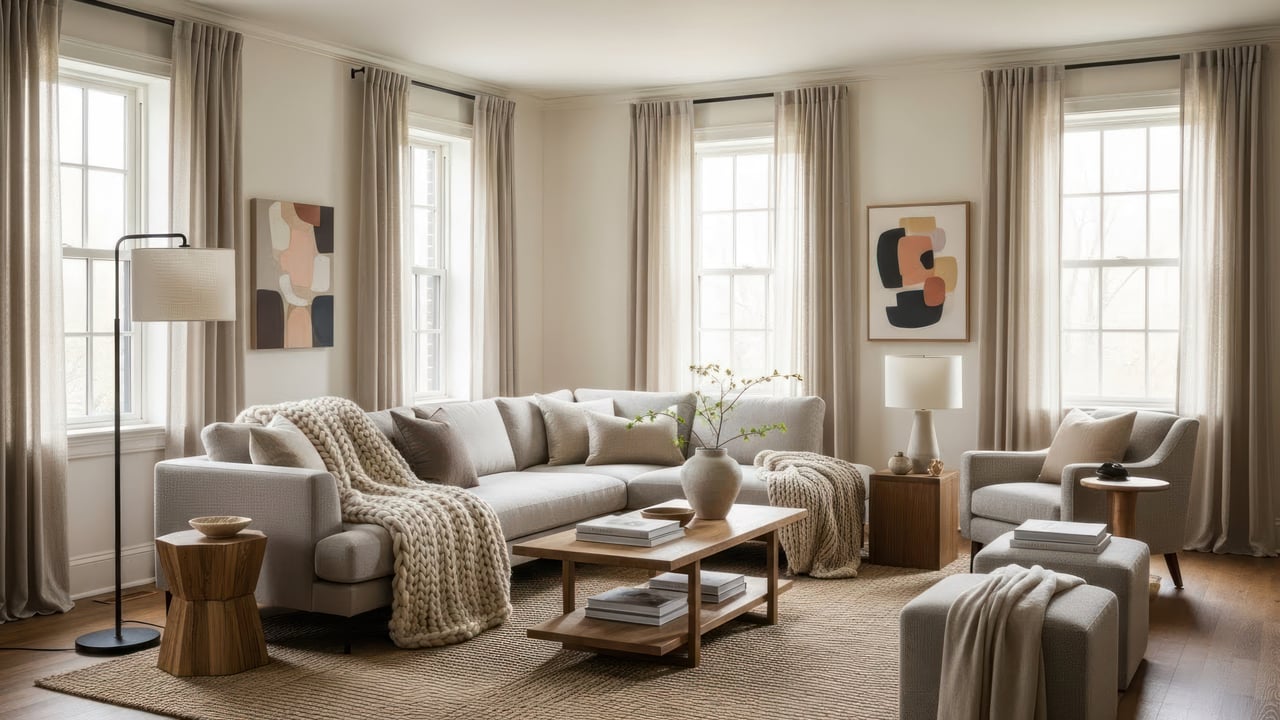
Today's sophisticated homeowners are embracing warmth without sacrificing elegance. They're choosing materials with texture and character. They're selecting color palettes drawn from nature rather than industrial paint charts. The result feels both contemporary and timeless.
Natural Materials Take Center Stage
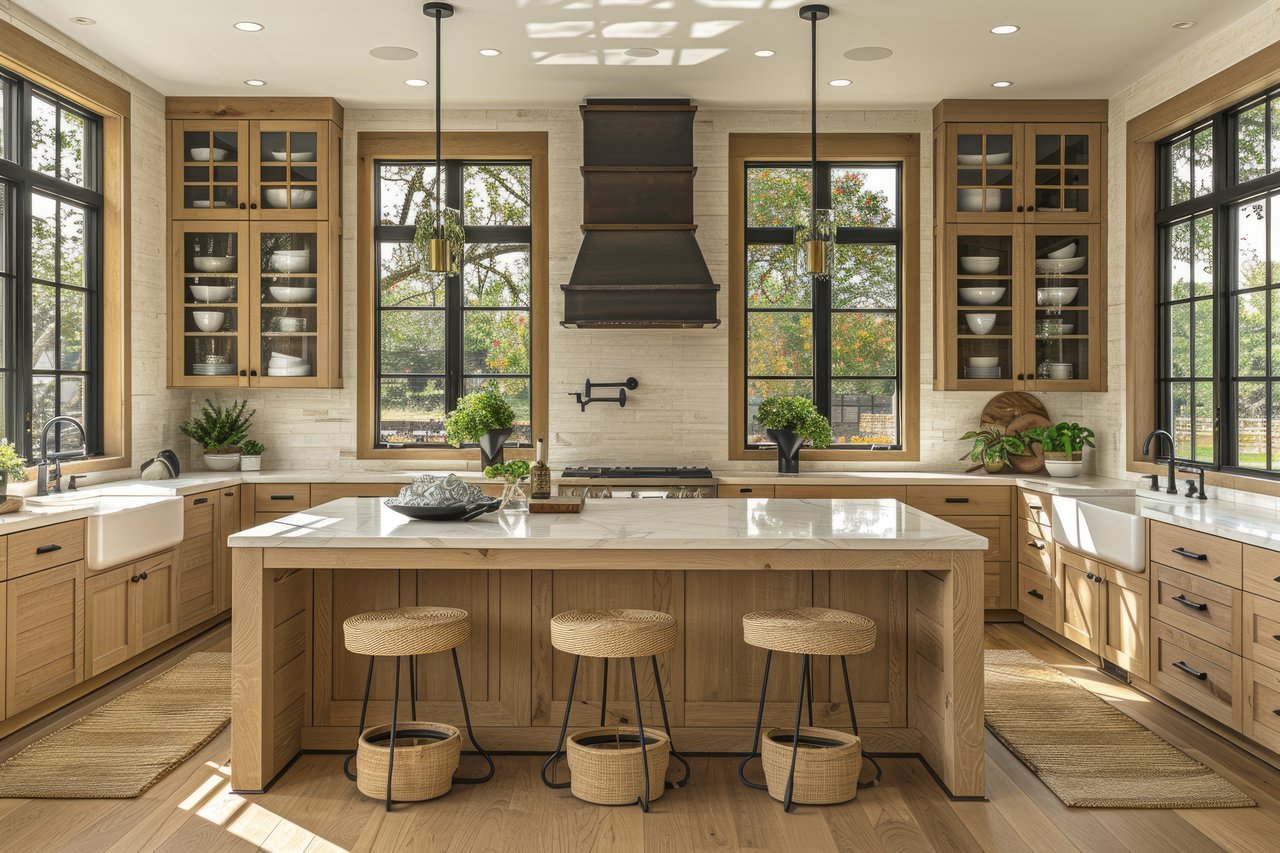
This evolution brings earthy tones, textured walls, and natural materials like wood, stone, and brick into luxury spaces. These elements add depth and soul to interiors that once felt one-dimensional. A limestone accent wall tells a story that painted drywall cannot.
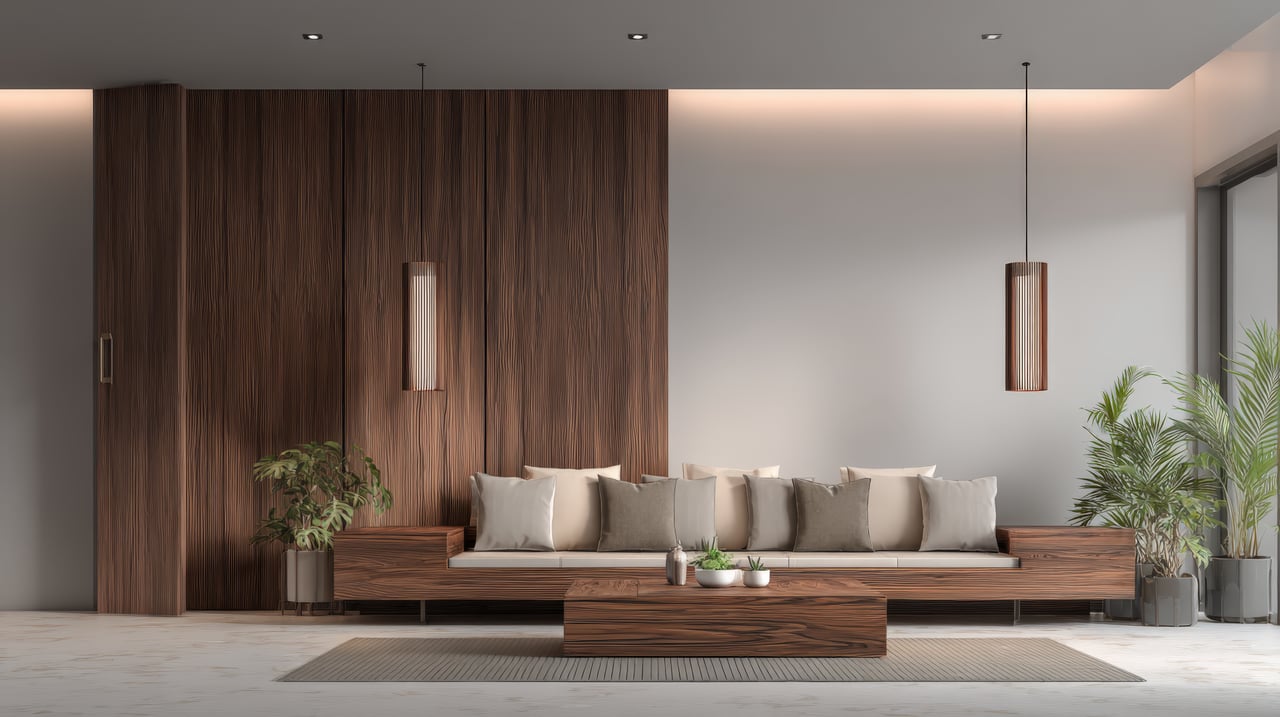
Wood appears in unexpected applications beyond traditional flooring. Ceiling treatments, wall paneling, and custom millwork showcase grain patterns and natural variations. Stone surfaces celebrate imperfections rather than hiding them. These choices reflect confidence in authentic materials over manufactured uniformity.
Biophilic Design Creates Connection
Biophilic design remains at the forefront, with oversized windows flooding rooms with natural light, vertical gardens climbing interior walls, and organic materials softening modern furniture edges. This approach recognizes our fundamental need for connection to the natural world.
The benefits extend beyond aesthetics. Natural light regulates circadian rhythms and improves mood. Living plants purify air and reduce stress. Views of nature from interior spaces enhance cognitive function and emotional wellbeing. Luxury design now measures success by how spaces make us feel, not just how they look.
Wellness-Focused Spaces Become Essential
The movement embraces wellness-focused spaces, with dedicated areas for meditation, home gyms, and spa-like bathrooms featuring chromotherapy lighting and automated aromatherapy systems. These aren't afterthoughts squeezed into basements—they're intentional spaces receiving the same design attention as formal living areas.
Primary bathrooms evolve into personal sanctuaries with steam showers, soaking tubs positioned for garden views, and heated floors that transform morning routines. Home gyms incorporate natural materials, abundant light, and technology that disappears when not in use. Meditation spaces offer acoustic privacy and calming palettes that support contemplative practice.
Defined Rooms Replace Open Concepts
Instead of open-concept layouts that dominated previous years, homeowners are seeking defined rooms that offer comfort, privacy, and functionality. This shift represents matured understanding of how we actually live within our spaces.
The vast great room promised connection but often delivered chaos. Video calls interrupted by kitchen noise. Children's homework competing with television audio. Cooking smells permeating every surface. Today's designs create intentional spaces that can be closed when needed while maintaining visual connection when desired.
Pocket doors, sliding panels, and thoughtful transitions allow flexibility without forcing everything into a single volume. Sight lines connect spaces while walls provide acoustic separation. The result feels both open and intimate, contemporary and livable.
Investment in Timeless Quality
Quiet luxury emphasizes investment in quality over quantity, craftsmanship over trends, and enduring design over momentary impact. A handcrafted dining table tells a different story than mass-produced furniture, regardless of price point.
This philosophy extends to finishes, fixtures, and architectural details. Hardware receives careful consideration. Lighting becomes sculptural. Trim work showcases skilled craftsmanship. These elements create cumulative effect that elevates entire spaces through attention to detail.
The approach also means selecting pieces with longevity in mind. Classic silhouettes with quality construction outlast trend-driven purchases. Natural materials age gracefully while synthetic alternatives deteriorate. The initial investment proves wise over time.
Creating Spaces That Feel Like Home
The common thread connecting these trends is intentionality. Today's luxury homeowners want spaces that reflect personal values, support daily life, and create emotional resonance. They're choosing homes that feel lived-in from day one rather than showrooms awaiting their first inhabitants.
This evolution recognizes that true luxury isn't about impressing visitors—it's about creating environments where life unfolds comfortably. Where children can play without constant correction. Where cooking happens messily and joyfully. Where relaxation feels natural rather than choreographed.
The shift from cold minimalism to warm, intentional design represents sophisticated understanding of what makes spaces truly valuable. It's not the absence of things—it's the presence of soul.
Bottom Line
Luxury home design has shifted from cold, sterile minimalism to warm, intentional spaces featuring natural materials and wellness-focused elements. For buyers, this means prioritizing properties with authentic textures, abundant natural light, and flexible floor plans that balance openness with defined rooms. For sellers, strategic investments in natural materials and thoughtfully defined spaces resonate with today's discerning market. The homes commanding premium prices now tell stories through texture and prioritize how spaces feel over how they photograph.