Is living steps from dinner, coffee, and Saturday market mornings at the top of your wish list? In Kirkwood, walkability is real, but it changes block by block. If you love the idea of strolling to the plaza yet still want space to breathe, you will want a clear view of how downtown proximity shapes lifestyle, lot size, and daily rhythms. This guide breaks it down and gives you simple tools to compare addresses with confidence. Let’s dive in.
Why downtown proximity matters
Downtown Kirkwood is a compact, lively center with roughly sixteen walkable blocks and 100-plus shops and restaurants anchored by the historic train station and the seasonal Farmers’ Market. You can explore the district and event lineup on the Downtown Kirkwood Special Business District site to get a sense of how much fits into a short stroll. That tight footprint creates real convenience for quick errands and spontaneous evenings out.
Walkability is highly localized. A central downtown block can score very high on Walk Score, with an example around 89 labeled Very Walkable, while the broader city includes more car-oriented pockets. The takeaway is simple: in Kirkwood, the feel on foot depends on your exact block. Checking the specific address on Walk Score’s Kirkwood page is a smart first step.
If “walk-to-market” is part of your routine, the Kirkwood Farmers’ Market at Argonne and Taylor is a strong anchor, especially on Saturday mornings and during seasonal events.
Block-by-block walkability
0–3 blocks: Life on the plaza
These are the streets immediately around the station, Argonne, Jefferson, and Kirkwood Road. You see a mix of historic storefronts with upper-floor residences, small condo and townhome pockets, and early 20th-century single-family homes on smaller lots. Expect quick access to dining, coffee, shops, and events.
Lot size tends to be compact, which helps keep everything close. Recent listing examples near the core show lots in roughly the 6,000 to 10,000 square foot range, such as about 6,625 square feet on Kirkshire Drive and about 7,501 square feet on another nearby parcel. This pattern is common in the central blocks and supports a true “park once and walk” daily rhythm.
3–7 blocks: Classic streets
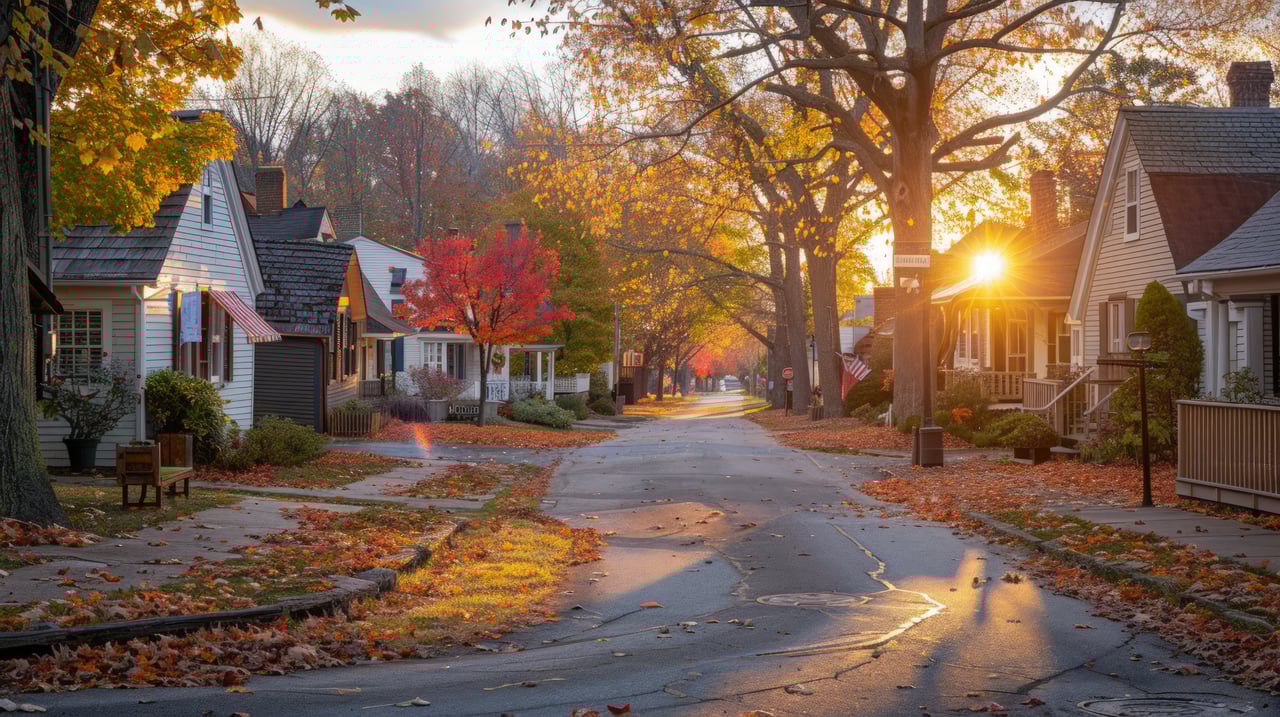
A few blocks out, you move into quieter, tree-lined residential streets with many century-old homes. Victorian, Tudor, Italianate, Craftsman, and bungalow styles are well represented in Kirkwood’s established neighborhoods. You still have a quick walk or bike ride to the plaza, but you gain a calmer residential setting and a bit more yard.
The architecture and streetscapes are part of Kirkwood’s charm, shaped by its historic core and the landmark train station. If you value character, these middle rings often balance convenience with classic curb appeal.
7–15+ blocks: Parks and space
Farther out and along park corridors like Greentree Park and Emmenegger Nature Park, you start to see larger lots, later infill, and custom homes. The vibe shifts more suburban with bigger private green space and easy access to trails.
Recent examples in these outer pockets illustrate the difference: around 0.48 acres on a cul-de-sac and about 0.74 acres on a wooded street. If you want a larger yard and proximity to nature while staying a short drive from the plaza, this ring is a strong fit. Explore local trails and park connections through Kirkwood Parks & Recreation’s trails page.
Transit access, realistically
Amtrak at the heart
Kirkwood’s historic depot sits in the center of downtown and is an active Amtrak stop with a volunteer-staffed station. The depot is both a civic landmark and a practical amenity for occasional regional trips. For a snapshot of the station’s role and history, see the Great American Stations profile of Kirkwood.
MetroLink by car or bus
MetroLink light rail does not have a station inside downtown Kirkwood. The nearest stations are in nearby municipalities, such as Maplewood, Brentwood, Clayton, and Shrewsbury–Lansdowne, which you can reach by a short drive or a bus transfer. Confirm current options on Metro Transit’s MetroLink page. If frequent light rail is part of your commute, consider homes with easy access to main arterials or a simple park-and-ride.
Trains, crossings, and noise
Freight and Amtrak trains run through the downtown corridor, which adds energy and identity to the area but also means audible horn activity and occasional delays at at-grade crossings. Federal and local sources document the realities of blocked crossings and traffic impacts over time. If that is a concern, visit a target block at different times of day and review the FHWA’s overview of blocked rail-highway crossings to understand the dynamics.
Downtown life in practice
Downtown merchants and city partners make a “park once” strategy easy. The core has meter-less short-term on-street parking with posted time limits and more than a dozen city-maintained free lots. If you are hosting friends or mixing errands with dinner, the Downtown Kirkwood parking guide shows where to leave the car and explore on foot.
As you compare streets, pay attention to sidewalks, crosswalks, block length, trees for shade, benches, and where public parking lots sit relative to your likely routes. These details shape how a five-minute walk actually feels day to day.
Parks, trails, and daily routines
Walkability is not only about storefronts. If you love dog walks, jogging, or playground time, being near parks and trailheads can be just as valuable. Kirkwood Park, Greentree Park, Emmenegger Nature Park, and access points to Grant’s Trail create a strong outdoor network. Start with Kirkwood Park’s page and the broader trails map to see how green space lines up with your daily routine.
In practice, buyers on the outer edges often trade a few extra minutes in the car for larger yards and immediate access to nature, while near-plaza buyers trade yard size for the ease of walking to dinner and events. There is no right answer, only your best fit.
Buyer profiles: Find your fit
The Urban Stroller. You want to step out for dinner, coffee, and the Farmers’ Market. Look within the sixteen-block core near Station Plaza. Expect smaller yards, historic cottages, and some condos or townhomes. The “park once” setup is ideal for errands and evenings out.
The Transit-Aware Commuter. You value the Amtrak depot and occasional bus links, and you want an easy drive to a nearby MetroLink station. Focus on homes that sit near main arterials for straightforward access to park-and-ride options.
The Yard and Parks Seeker. You prefer quiet streets, room to spread out, and fast access to parks and trails. Pockets near Greentree Park, Emmenegger Nature Park, and Grant’s Trail often deliver larger lots while keeping downtown a short drive away.
The Historic-Home Enthusiast. You love character and classic architecture. Many established neighborhoods around downtown feature Tudor, Victorian, Craftsman, and bungalows along tree-lined streets.
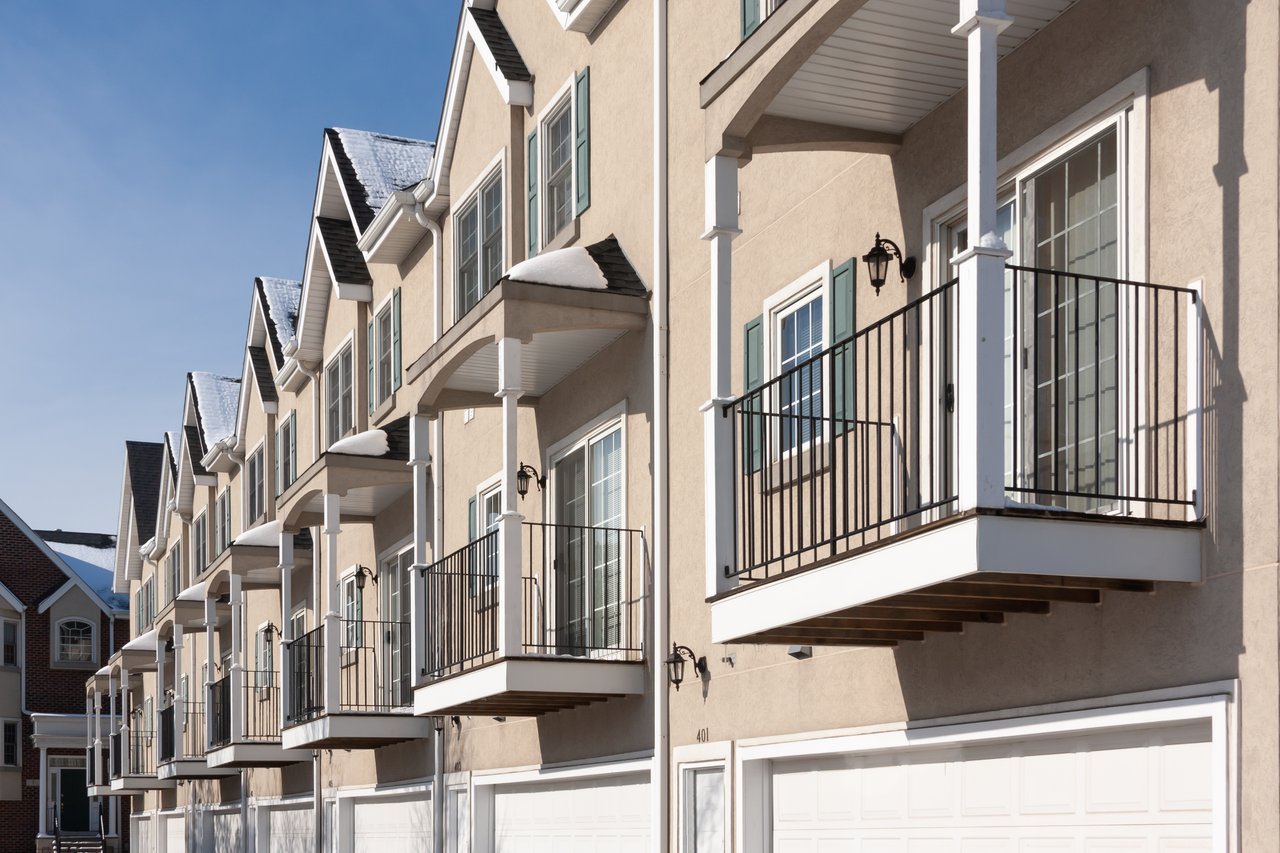
The Low-Maintenance Condo or Townhome Buyer. You want a lock-and-leave lifestyle with most of downtown’s benefits. Mixed-use blocks near the plaza often include condo or townhome options that trade yard care for convenience.
How to evaluate a specific address
Use this quick process to compare homes with clarity:
Check the address on Walk Score’s Kirkwood page. Look beyond the single number. Read what errands are walkable and note transit details.
Map your five essentials. Place a pin on the station, your favorite cafe, the Farmers’ Market, a grocery store, and a park. Count blocks and timing for each walk.
Verify schools by address. Attendance boundaries can be precise. Use the Kirkwood School District boundary map to confirm the assigned schools for any specific property.
Visit at multiple times. Go at rush hour, a weekend evening, and a market morning. Notice train activity, traffic, parking ease, and noise patterns on the block.
Compare lot size to lifestyle. Central blocks often measure around 6,000 to 10,000 square feet. Outer pockets can reach one-half acre or more. Decide how much yard you will truly use.
Test your transit plan. If MetroLink is part of life, drive the route to a nearby station and time it. If you use regional rail, review schedules and station details on the Great American Stations page for Kirkwood.
Ready to tailor the search to your life? With curated neighborhood intelligence and a calm, white-glove approach, we will translate your walkability and lifestyle priorities into the right address.
If you are weighing walkability versus yard size in Kirkwood, let’s talk about the pockets that fit you best. Schedule a private consultation with Nika Leoni to refine your criteria and tour the right streets first.
FAQs
How walkable is Downtown Kirkwood for daily errands?
- Downtown’s sixteen-block core concentrates 100-plus shops and restaurants around the historic station, so many daily errands can be done on foot. Check your exact block on Walk Score for a realistic read.
Where is the Kirkwood Farmers’ Market and when is it active?
- The market sits at Argonne and Taylor in the heart of downtown and operates seasonally with Saturday hours and special events. See the latest details on the Farmers’ Market page.
Does Kirkwood have a MetroLink station in downtown?
- No. The nearest MetroLink stations are in nearby municipalities such as Maplewood, Brentwood, Clayton, and Shrewsbury–Lansdowne. Plan to drive or use a bus transfer. Confirm options on MetroLink’s page.
Will train noise be an issue near the station?
- Trains are part of downtown life. Freight and Amtrak service can create horn noise and occasional crossing delays. Visit at different times and review the FHWA’s blocked crossings overview for context.
Are there parks and trails I can walk to from downtown?
- Yes. Kirkwood Park is close to the core, and the broader network includes Greentree Park, Emmenegger Nature Park, and Grant’s Trail. Explore the parks and trails map to see access points.
How do I confirm which schools serve a specific address?
- Use the district’s interactive tool to verify boundaries by property. The authoritative source is the Kirkwood School District boundary map.