Every homeowner has been there. You're scrolling through renovation inspiration, convinced that a spa-worthy primary suite addition or a show-stopping chef's kitchen is the key to unlocking serious equity. The vision is compelling. The contractor's estimate, however, is sobering. And the real question, the one that actually matters, is what happens to that investment when it's time to sell?
The 2025 Cost vs. Value Report offers a refreshingly data-driven answer. It analyzes renovation projects across markets and matches what homeowners spend against what buyers are willing to pay at resale. The findings are sometimes surprising, occasionally counterintuitive, and consistently useful for anyone deciding where to put their home improvement dollars.
The short version: not all renovations are created equal, and more expensive does not mean more valuable.
The Exterior Projects That Genuinely Deliver
If the report has a headline winner, it belongs to the humble garage door. A garage door replacement runs around $4,672 and returns an estimated $12,507 at resale, a recovery rate of 268%. That is not a typo. Curb appeal, it turns out, is doing a lot of heavy lifting.
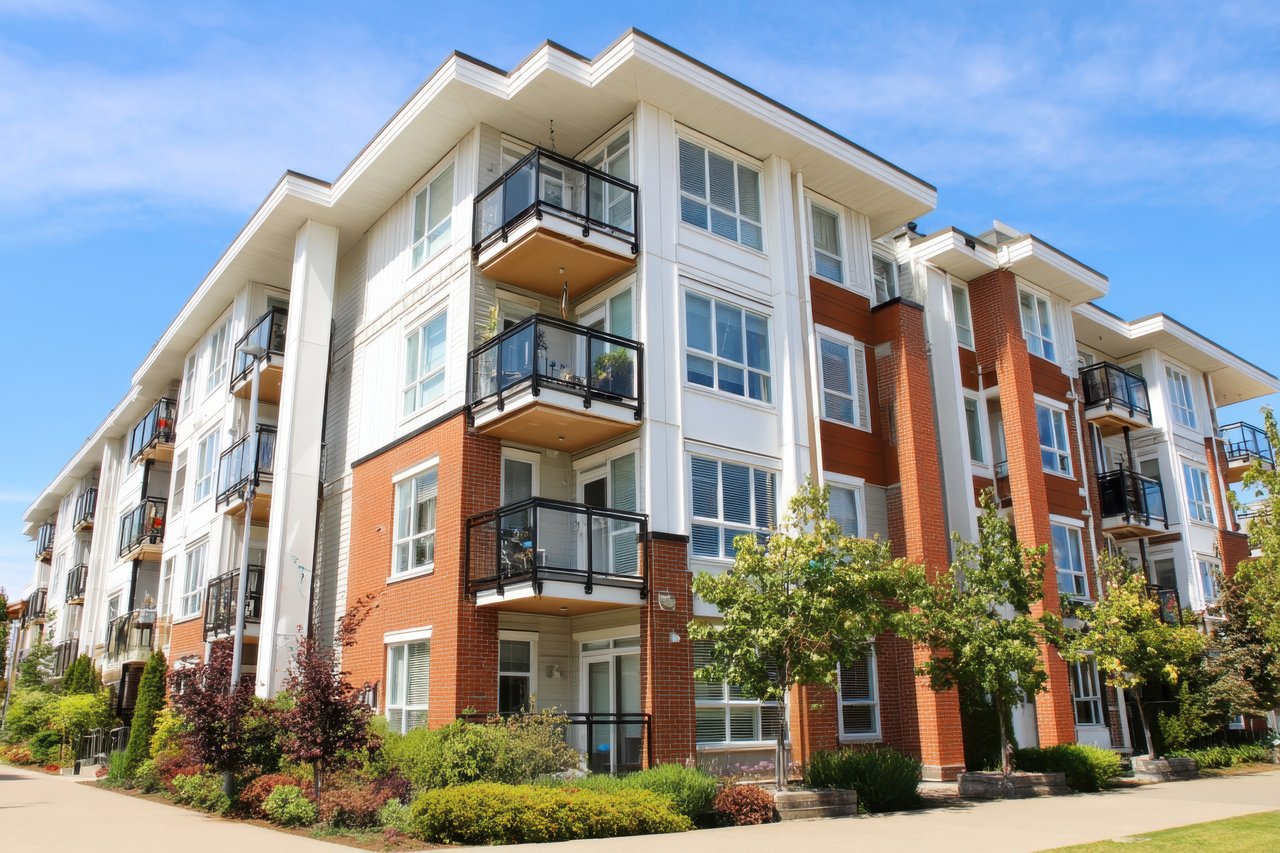
Close behind: a steel entry door replacement at $2,435 recovers roughly 216% of its cost, and manufactured stone veneer on the exterior comes in at 208%. Fiber-cement siding replacement clocks in at 114%. These numbers make a compelling case for prioritizing the outside of a home before the inside, particularly when preparing to sell.
Why do exterior projects perform so well? Because buyers form impressions before they ever step through the front door. A fresh, well-maintained exterior signals that the home has been cared for. It removes the very first objection. Interior renovations, by contrast, are evaluated against each buyer's personal taste, and taste is notoriously hard to predict.
The Interior Updates That Protect Rather Than Build
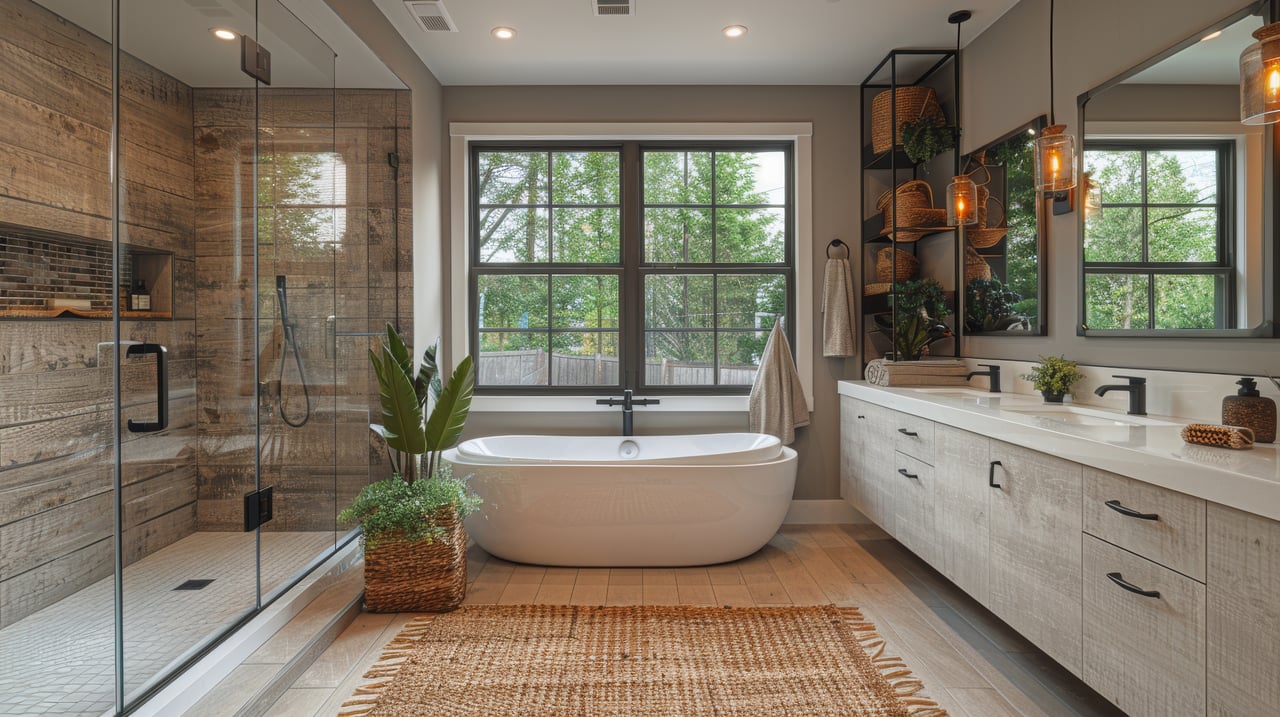
Kitchen and bathroom renovations are the projects homeowners most often associate with added value, and they do matter, but not quite in the way most people assume. A midrange minor kitchen remodel recoups around 113% of costs, making it one of the stronger performers on the list. A midrange bath remodel comes in at about 80%. A major midrange kitchen remodel, however, drops to 51%. The upscale versions of both kitchens and bathrooms hover around 36 to 42%.
What this tells us is that interior updates, at their best, prevent value loss more than they create new value. A kitchen with a closed layout and builder-grade finishes from twenty years ago creates real resistance among today's buyers, especially when competing against newer construction. Updating it removes that resistance. It brings the home back to baseline, which is exactly where it needs to be.
The takeaway for homeowners considering interior renovations is to focus on timeless design choices rather than trend-forward finishes that can date a space quickly. Subway tile, for instance, has more staying power than whatever finish is having its moment this season. Neutral palettes outlast bold statements. Quality materials in classic applications almost always serve resale better than dramatic design choices.
What Buyers Consider Standard in 2026
Here is something worth noting for anyone who purchased their home more than a decade ago: buyer expectations have shifted considerably. Features that were once considered premium upgrades are now treated as baseline assumptions.
Covered outdoor living spaces with quality materials and weather-resistant finishes are increasingly expected, not celebrated. Integrated smart home systems for lighting, climate control, and security have moved from the "nice to have" column into the standard package. Energy-efficient windows and modern HVAC systems are simply assumed by most buyers in the mid-range and above.
This matters because it changes the calculus around certain updates. Energy-efficient windows, for example, recover about 76% of their cost at resale, and an HVAC conversion to electrification comes in at 72%. Neither figure is spectacular, but both help a home meet the expectations buyers already arrive with. Failing to meet those expectations, in other words, has a cost of its own.
The Neighborhood Ceiling Is Real
One of the most important concepts in home renovation strategy is also one of the least discussed: the neighborhood ceiling. Every home exists within a market context, and that context imposes a practical limit on what buyers will pay, regardless of what is inside.
A reliable guideline is to avoid spending more than 30% of a home's current value on renovations. Beyond that threshold, the investment begins to price the property above what comparable homes in the area will support, and buyers at premium price points tend to gravitate toward neighborhoods that match their budget rather than outlier homes within more modest ones.
This is why certain features, regardless of how beautifully executed, tend to struggle at resale. A wine cellar or a dedicated home theater appeals to a genuinely narrow segment of buyers. A backyard patio addition, to take one example from the report, costs around $51,000 and returns only 46% of that at resale. Impressive in the listing photos, perhaps, but limited in its appeal to the broader market.
The projects that recover investment most reliably are those that align with neighborhood norms rather than exceed them. Over-improving is a real and surprisingly common mistake, and it tends to feel most unfair precisely because the work is often excellent.
The Smarter Framework
The most useful way to think about home renovations, whether preparing to sell or simply maintaining and enjoying a property, is to separate projects into two categories: those that protect value and those that build it.
Protecting value means keeping a home competitive with others in its price range. Updating a dated kitchen, refreshing a primary bathroom, replacing aging windows or a failing roof: these projects prevent a home from falling behind market standards. They are defensive, necessary, and often essential for a successful sale.
Building value, in the truest sense, is harder to engineer. It happens most reliably through exterior improvements that boost curb appeal, through quality execution of well-chosen updates, and through aligning the home's features with what the neighborhood's buyer pool actually wants.
The report's data reinforces a simple truth: how a project is executed often matters as much as which project is chosen. A well-done midrange kitchen update consistently outperforms a poorly executed upscale one. Quality materials installed correctly, timeless design applied thoughtfully, and strategic priorities calibrated to the local market: that is the formula that holds up.
A Note on Timing
For homeowners planning to sell within the next one to three years, the Cost vs. Value data provides a useful roadmap for sequencing projects. Exterior improvements first, particularly garage doors, entry doors, and siding, offer strong returns and help position the home favorably from the very first impression. Interior updates should focus on the spaces buyers scrutinize most closely: kitchens and primary bathrooms, updated to meet current expectations without veering into over-improvement territory.
For homeowners with a longer horizon, the calculus shifts slightly. Updates made years before a sale can be enjoyed while owned, and the strategic question becomes which improvements will still feel current when the time comes to list. Durable, classic choices continue to age gracefully. Highly personalized or trend-dependent ones often require revisiting before sale.
In either case, the underlying principle remains the same: understand the market context, calibrate the investment to the neighborhood, execute well, and focus on what buyers in that price range will actually value. The data, quite helpfully, does not lie.
Sources:
Remodeling Magazine, 2025 Cost vs. Value Report: https://www.remodeling.hw.net/cost-vs-value/2025/