When Rooms Were Designed to Impress
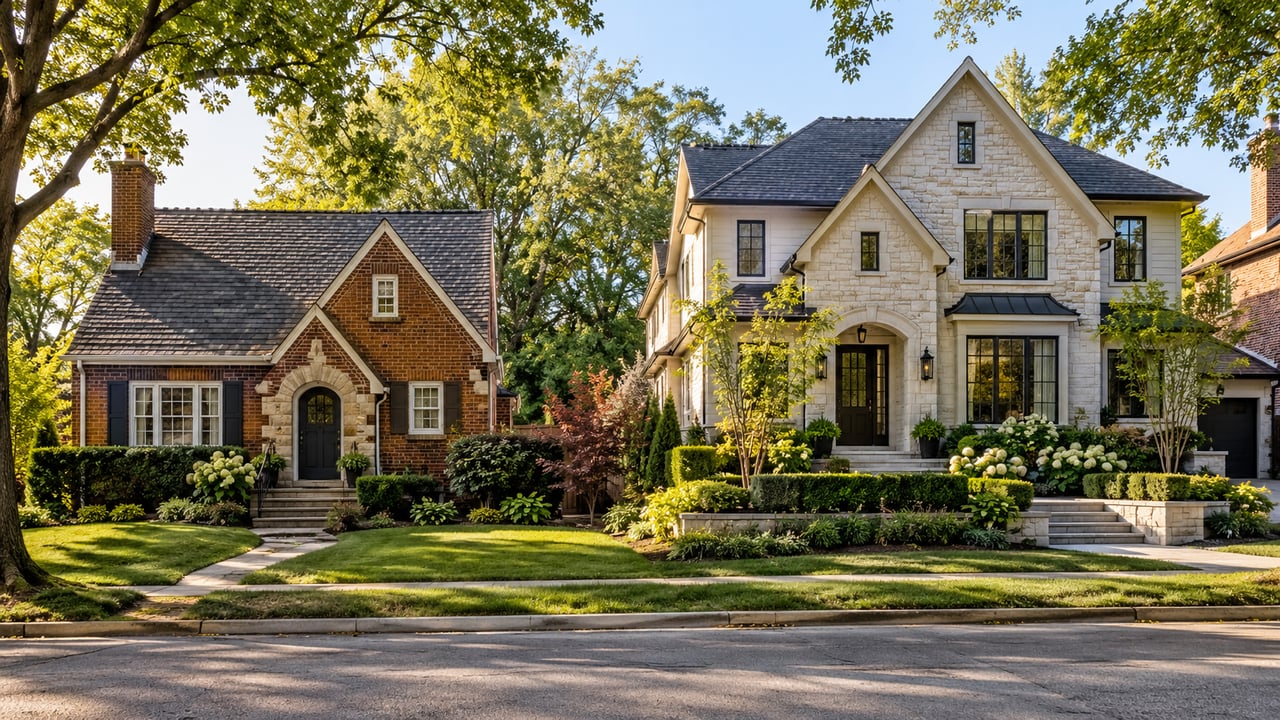
For decades, homes were organized around display. Formal dining rooms. Living rooms reserved for special occasions. Spaces designed to be admired rather than lived in.
They communicated status. They photographed well. They also sat unused.
The Shift Toward Purpose
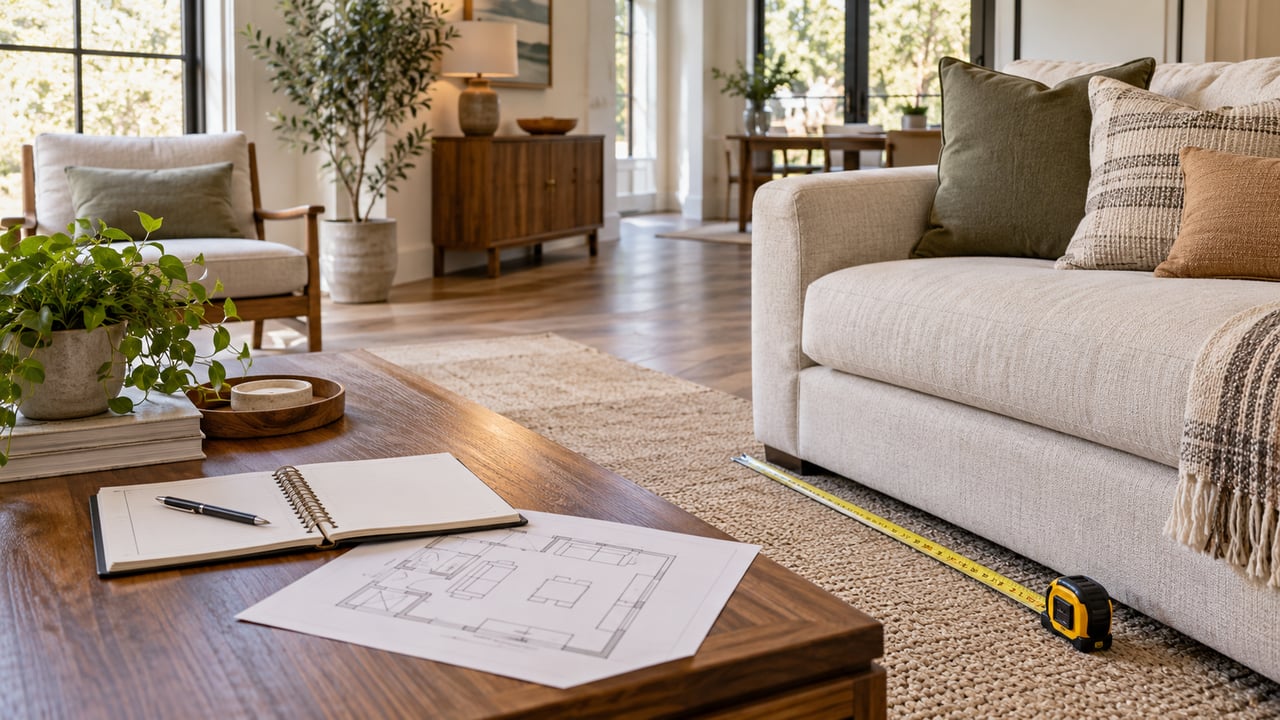
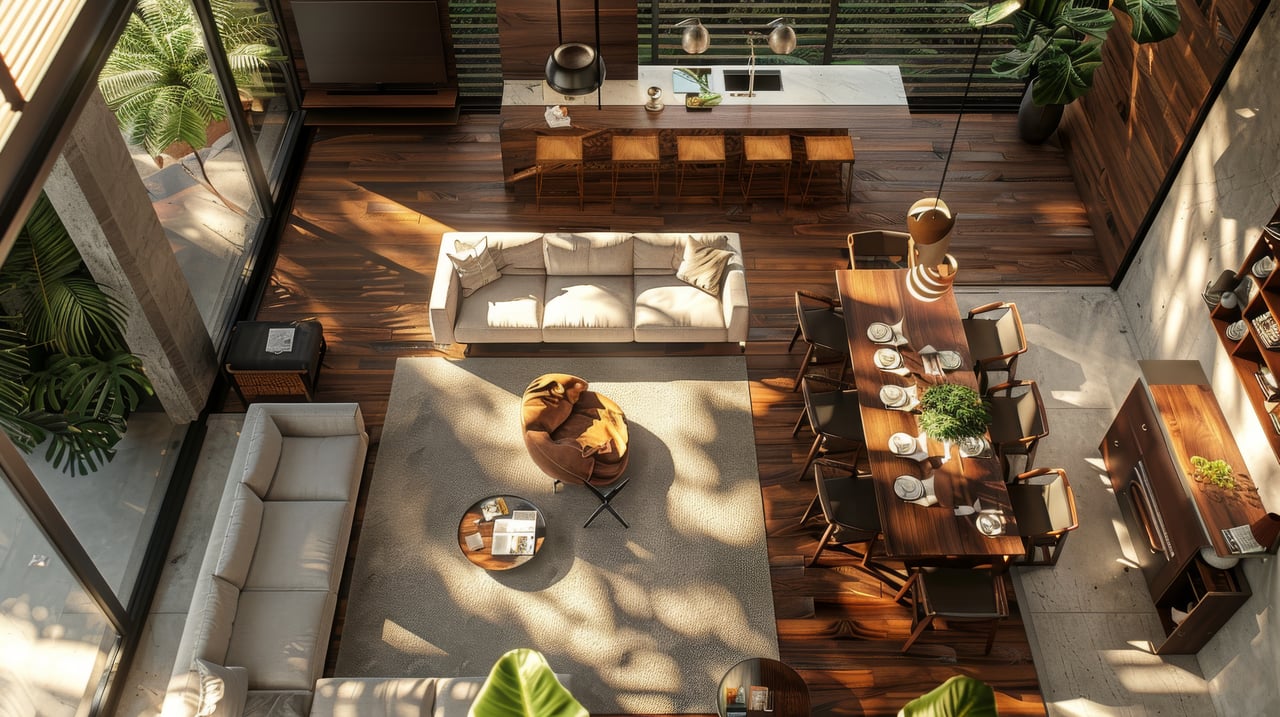
Today’s buyers prioritize rooms that adapt easily to daily life. Dining areas blend into kitchens. Living spaces flex between work, rest, and gathering.
Square footage is expected to earn its place.
Flexibility as a Design Signal
Adaptability has become a form of refinement. A room that evolves over time signals foresight, not compromise.
This shift isn’t about eliminating beauty. It’s about ensuring beauty supports function.
Why Underused Space Feels Dated
Rooms designed for occasional use feel increasingly out of step. Buyers sense when square footage isn’t working.
Unused space raises questions. What else will need to change? What doesn’t function as well as it looks?
What This Signals About Modern Taste
True luxury has grown quieter. It no longer announces itself through formality or excess. It reveals itself through ease and intelligence.
Homes that feel intuitive to use signal confidence and longevity.
Why Buyers Respond
Buyers increasingly imagine how spaces will support real life. Not holidays. Not hosting. Daily routines.
Homes without rigid, underused rooms feel current. They feel considered. And they feel easier to say yes to.
BOTTOM LINE: Buyers respond to homes that make everyday living feel effortless. When a space works without explanation, the decision feels obvious.