The design world is experiencing a profound shift that goes far deeper than surface aesthetics. After years of stark minimalism and Instagram-perfect spaces, 2026 brings a movement toward interiors that feel genuinely lived in, layered with meaning, and rooted in personal narrative rather than passing trends.
The End of Sterile Perfection
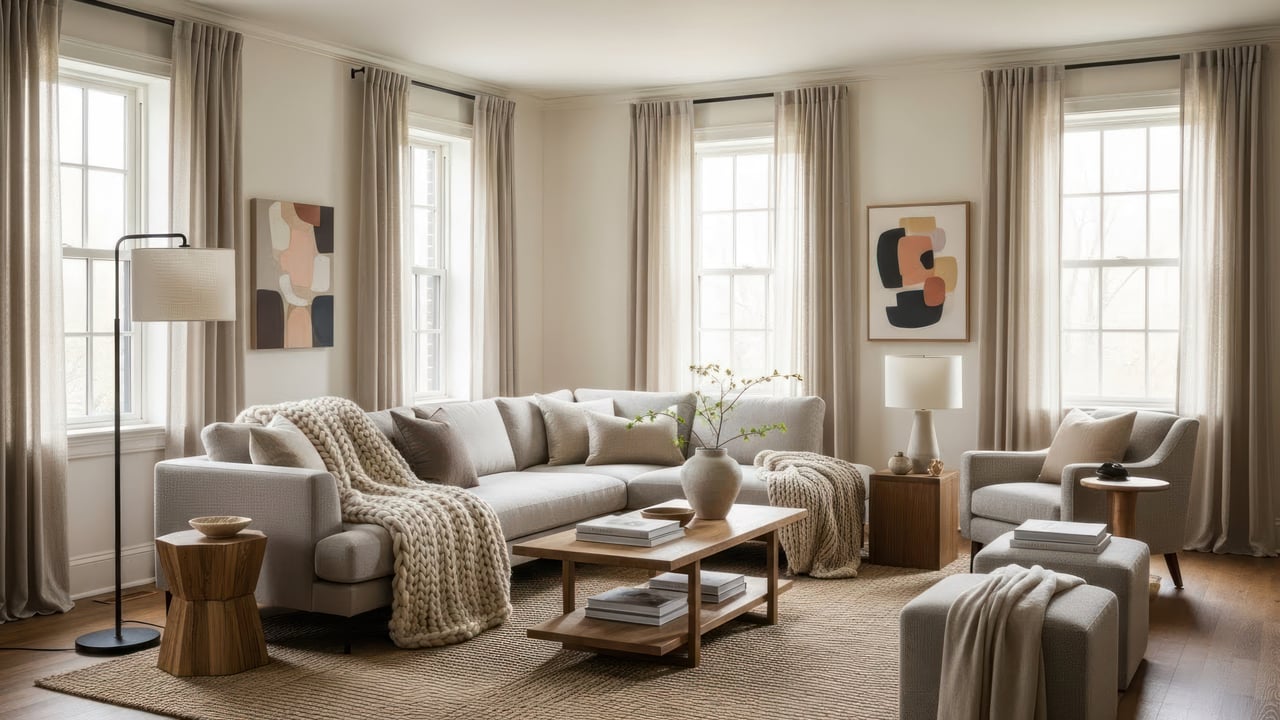
All-white walls and cold, sparse interiors are giving way to spaces that embrace color, texture, and the kind of character that develops over time. Designers report that clients are rejecting cookie-cutter aesthetics in favor of rooms that reflect who they actually are rather than what currently trends on social media.
This shift represents more than changing tastes. It reflects a broader cultural desire for spaces that support genuine comfort and emotional well-being. After years spent largely at home, people understand viscerally which environments actually make them feel good versus which merely photograph well.
Warmth Through Natural Materials
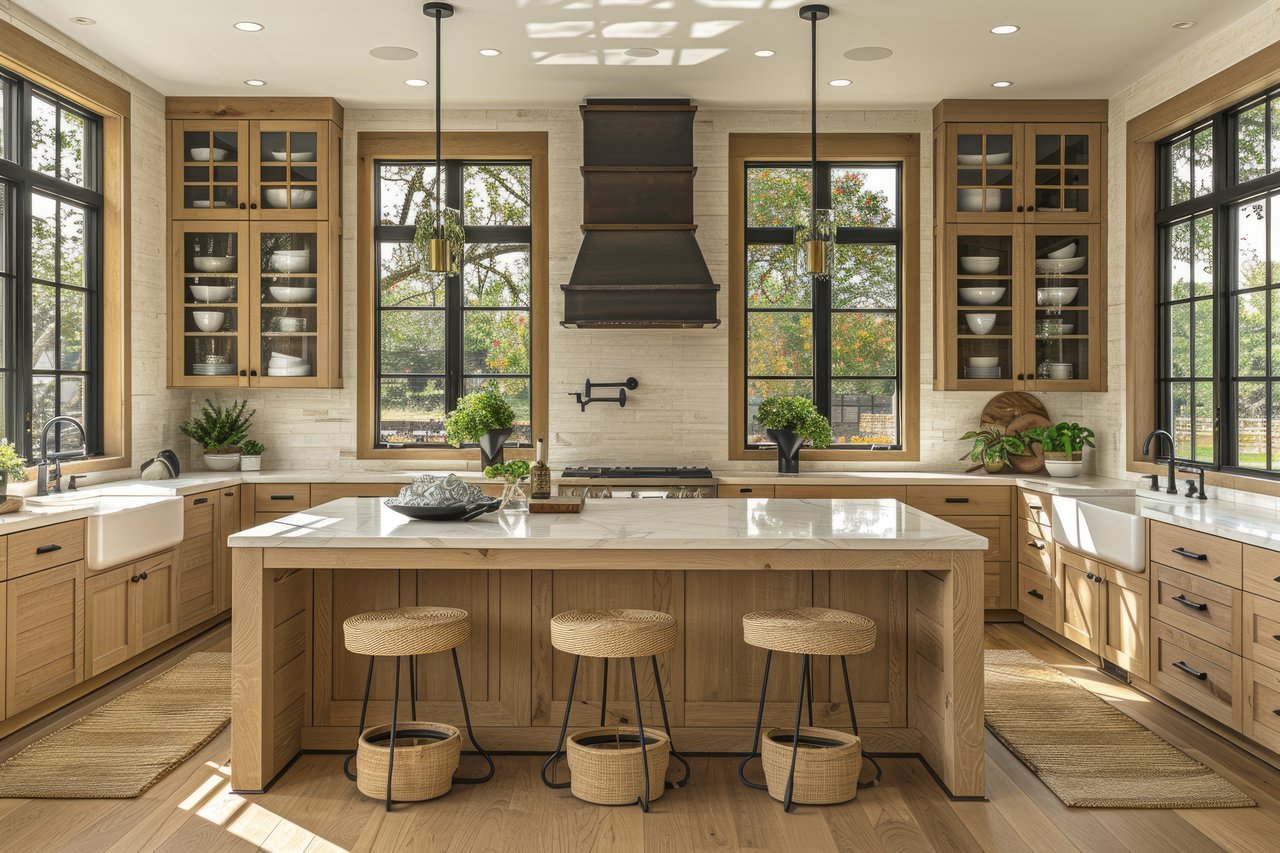
Wood tones are returning with sophistication. The trend toward mixing different wood species in a single space creates depth and authenticity that uniform finishes cannot achieve. White oak flooring pairs beautifully with walnut cabinetry and pine or ash furniture, creating visual interest through natural variation rather than perfect matching.
Fluted and reeded millwork continues to gain momentum, transforming ordinary surfaces into architectural features. These linear grooves and sculptural rhythms bring movement and tactile appeal to walls, cabinetry, and built-ins. The trend is evolving beyond traditional applications, with designers exploring wider spacing, deeper grooves, and adventurous material choices including stained wood, stone, and composite finishes.
Color Returns as Architecture
Burgundy velvet sofas are appearing in spaces that once featured only gray linen. Kitchens embrace colors previously reserved for more playful rooms. The cold neutral palette that dominated the 2010s and early 2020s is being replaced by richer, more saturated hues that create emotional resonance.
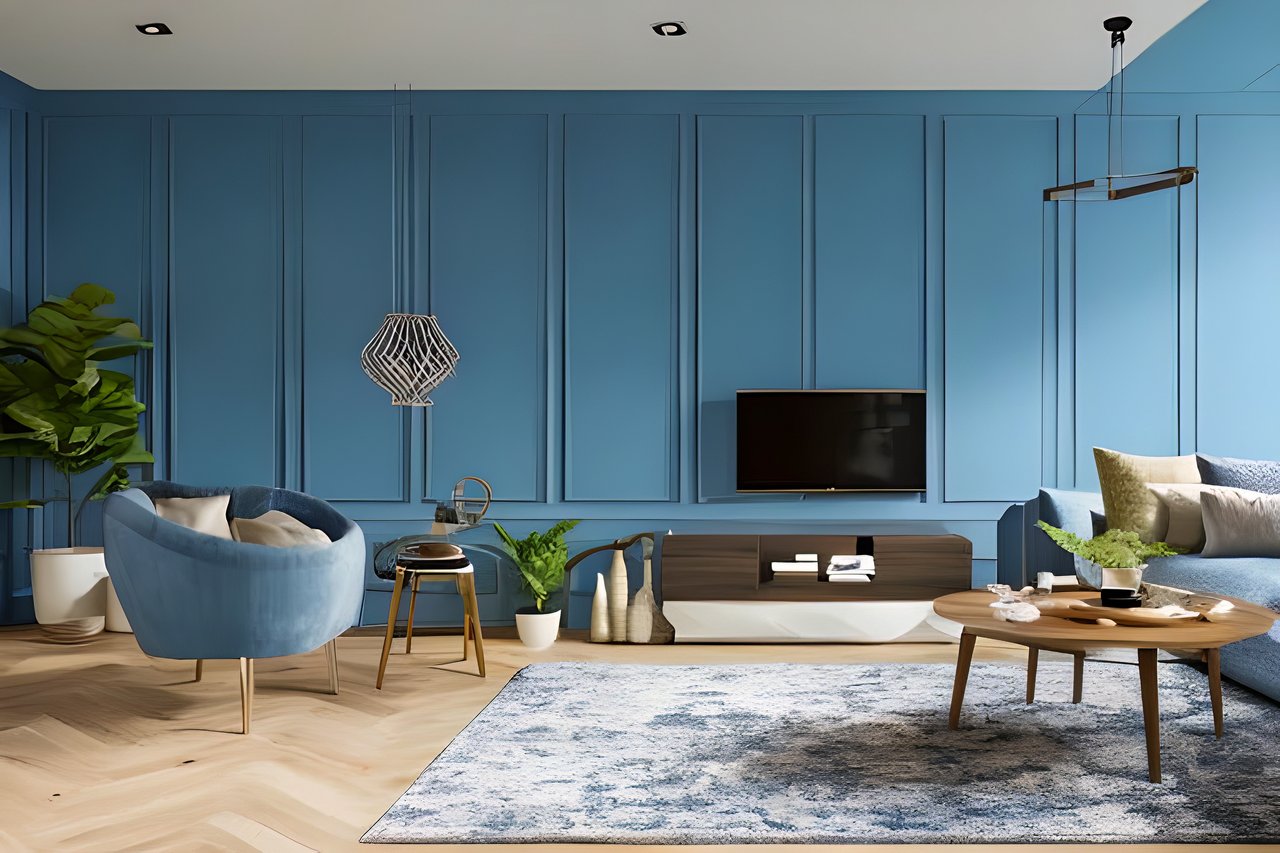
Monochromatic rooms are back, but reimagined. Rather than boring single-color schemes, designers are pushing boundaries within color families. A room done entirely in blues might range from navy velvet to powder blue silk to steel bluish-grey metallics. The shade and material contrasts create visual interest without chromatic complexity, allowing layouts to remain clean while texture becomes paramount.
Curved Lines Soften Spaces
Straight edges and hard angles are giving way to organic curves throughout interiors. From curved furniture to rounded architectural details, this movement creates flow and encourages natural conversation patterns. Rounded sofas, sculptural chairs, and organic tables transform rooms into more welcoming, intimate environments.
The shift toward curves isn't merely aesthetic. These forms create psychological comfort, reducing visual harshness and promoting ease. Spaces feel more approachable and human-scale when angular severity gives way to gentler lines.
Thoughtful Maximalism
The new maximalism differs dramatically from cluttered excess. This approach layers collected, personal objects throughout a home, creating spaces that tell stories. Vintage pieces, handcrafted items, and objects acquired through travel combine intentionally rather than randomly.
This trend celebrates personality over perfection. Homes become galleries of meaningful possessions rather than showrooms of matching sets. The aesthetic values curation over accumulation, with each piece earning its place through significance rather than simply filling space.
Technology Meets Tactility
Perhaps most intriguingly, 2026 design trends embrace the tension between high technology and deeply sensory experiences. Smart home systems increasingly integrate with sumptuous materials and handcrafted details. Algorithmic ergonomics inform furniture design while artisanal finishes and natural textures prevent spaces from feeling clinical.
This balance acknowledges that we live in a technological age while recognizing our fundamental human need for warmth, texture, and the imperfect beauty of handmade things.
The Bottom Line
Interior design in 2026 celebrates lived-in luxury and emotional warmth while leaving behind anything cold, sterile, or uncomfortable. The movement toward personal, layered, naturally beautiful spaces represents more than shifting aesthetics. It reflects a fundamental revaluation of what makes a house feel like home: authenticity over perfection, meaning over trends, and spaces designed for living rather than merely looking good in photographs. For homeowners considering updates, these principles offer timeless direction. Invest in quality natural materials, embrace color that resonates emotionally, incorporate curves that soften and welcome, and layer meaningful objects that tell your story. The result will be spaces that not only reflect current design sensibilities but genuinely support how you want to live.
Sources:
- https://www.decorilla.com/online-decorating/interior-design-trends-2026/
- https://styleblueprint.com/everyday/interior-design-trends-2026/
- https://www.dezeen.com/2026/01/06/interior-design-trends-2026/
- https://www.dwell.com/article/2026-home-design-trends-1755f59c
- https://woodgrain.com/top-10-interior-trends-of-2026/