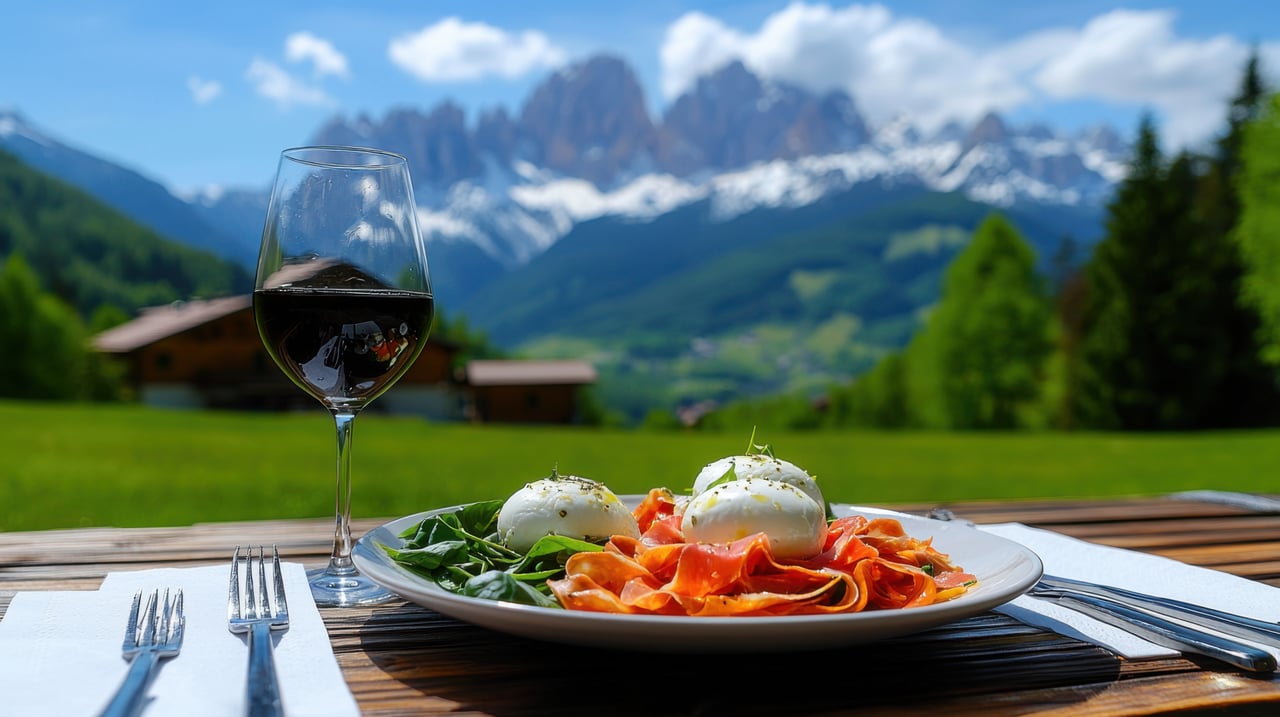
There is a place in northern Italy where the architecture is Tyrolean, the wine is world-class, the mountains are a UNESCO World Heritage site, and the produce markets make grown adults weep with gratitude. That place is South Tyrol — or Alto Adige, or Südtirol, depending on which language you happen to be speaking at the moment — and it may be the most interesting real estate story in all of Europe right now.
This is not a market built on hype. It is built on scarcity, quality, and the sort of lifestyle that people spend decades working toward. For buyers who have spent time here, the question is rarely "Should I buy?" It is "Why didn't I do this sooner?"
A Place That Defies Easy Description
South Tyrol occupies the northeastern tip of Italy, tucked against the Austrian border and wrapped in the dramatic limestone peaks of the Dolomites. This small pocket of northern Italy shares more than just a border with Austria — it is an Alpinista lifestyle that flirts with Dolce Vita, where the spectacular Dolomites cradle a region rich in vineyards, apple groves, and centuries of layered culture.
Three languages are woven into daily life here: German, spoken by roughly 57.6% of residents as a first language; Italian; and Ladin, a Rhaeto-Romance language spoken in the valleys of Val Gardena and Val Badia. The result is a place that feels genuinely unlike anywhere else in Europe — not quite Italian, not quite Austrian, but entirely and confidently itself.
Germanic and Italian culture have overlapped here for centuries, shaping everything from the architecture to the cuisine. The medieval street grid of Bolzano, the regional capital, is still walkable and largely intact, and the Via dei Portici has been a commercial artery for nearly a thousand years. The Dolomites themselves, named a UNESCO World Heritage site for their extraordinary geological and scenic value, form one of the most recognizable skylines on earth.
The Lifestyle That Drives the Market
Understanding South Tyrol real estate requires understanding South Tyrol living, because here the two are inseparable.
Bolzano is where old-world charm meets Alpine cool — cobbled streets lined with medieval arcades, pastel-painted buildings, and a vibrant wine culture anchored by local varietals like Lagrein and Santa Maddalena. The city punches well above its size in terms of cultural offerings, international connectivity, and sheer livability.
Merano, South Tyrol's most elegant surprise, was once the preferred winter retreat of Austrian nobility and still carries that belle-époque charm. Palm-lined promenades, Art Nouveau architecture, and legendary thermal spas have drawn wellness seekers for over a century. It is the kind of town that makes visitors quietly recalculate their retirement plans.
The food and wine scene operates at a level that would be remarkable anywhere in the world. Vines cover 5,500 hectares of South Tyrolean hillside, and 98% of South Tyrolean wines carry the DOP designation — represented for years in Italy's most acclaimed wine guides. The culinary tradition blends hearty Tyrolean influences with Italian refinement: speck, knödel, fresh pasta, local cheeses, asparagus in spring, chestnuts and new wine in autumn. Austrian, Italian, and Ladin culinary traditions collide here to create a gastronomic landscape as rich in history as it is in flavor — every dish a story of mountain life, cultural fusion, and timeless recipes born of necessity and nurtured with pride.
And the outdoor life — skiing, hiking, mountain biking, paragliding, cycling through vineyard-terraced hillsides — is genuinely year-round. Val Gardena is a world-renowned destination for skiing and hiking in the Dolomites, Alpe di Siusi is Europe's largest alpine plateau, and Lago di Braies stuns with glassy turquoise water framed by jagged peaks. This is not a region that asks visitors to choose between natural beauty and cultural sophistication. It offers both, simultaneously, without apology.
The Real Estate Picture: Scarce, Strong, and Getting More Expensive
South Tyrol consistently ranks as the most expensive real estate market in Italy, and the reasons are structural rather than speculative.
Exclusive areas such as Bolzano, Merano, Appiano, and Bruneck benefit from strong demand and limited supply. South Tyrol's economic diversification across industry, agriculture, research, technology, and sustainable energy creates a solid foundation that supports the real estate sector. This combination of lifestyle, stability, and lasting value makes South Tyrol's real estate a secure and desirable investment.
The numbers back this up. In the province of Bolzano, the average asking price for residential properties reached €4,721 per square meter in late 2025, the highest in the Trentino-Alto Adige region. With an average price of around €4,500 per square meter in 2026 and annual increases of approximately 3%, the market combines scarcity, a high standard of living, and international appeal.
For context: the average home price in the Trentino-Alto Adige region is approximately $630,000, compared to a national Italian average of $368,000. The most expensive towns in South Tyrol include Bressanone-Brixen, where an average 2,000-square-foot home commands around $1,138,000, and Renon-Ritten at approximately $1,110,000. Bolzano averages $928,000 and Merano $888,000 for comparable properties.
Why Supply Stays Tight
What prevents this market from simply building its way out of demand pressure is a combination of geography, regulation, and intentional restraint. The market remains tight, driven by limited new supply, strict urban planning regulations, and steady demand — producing moderate but consistent price growth.
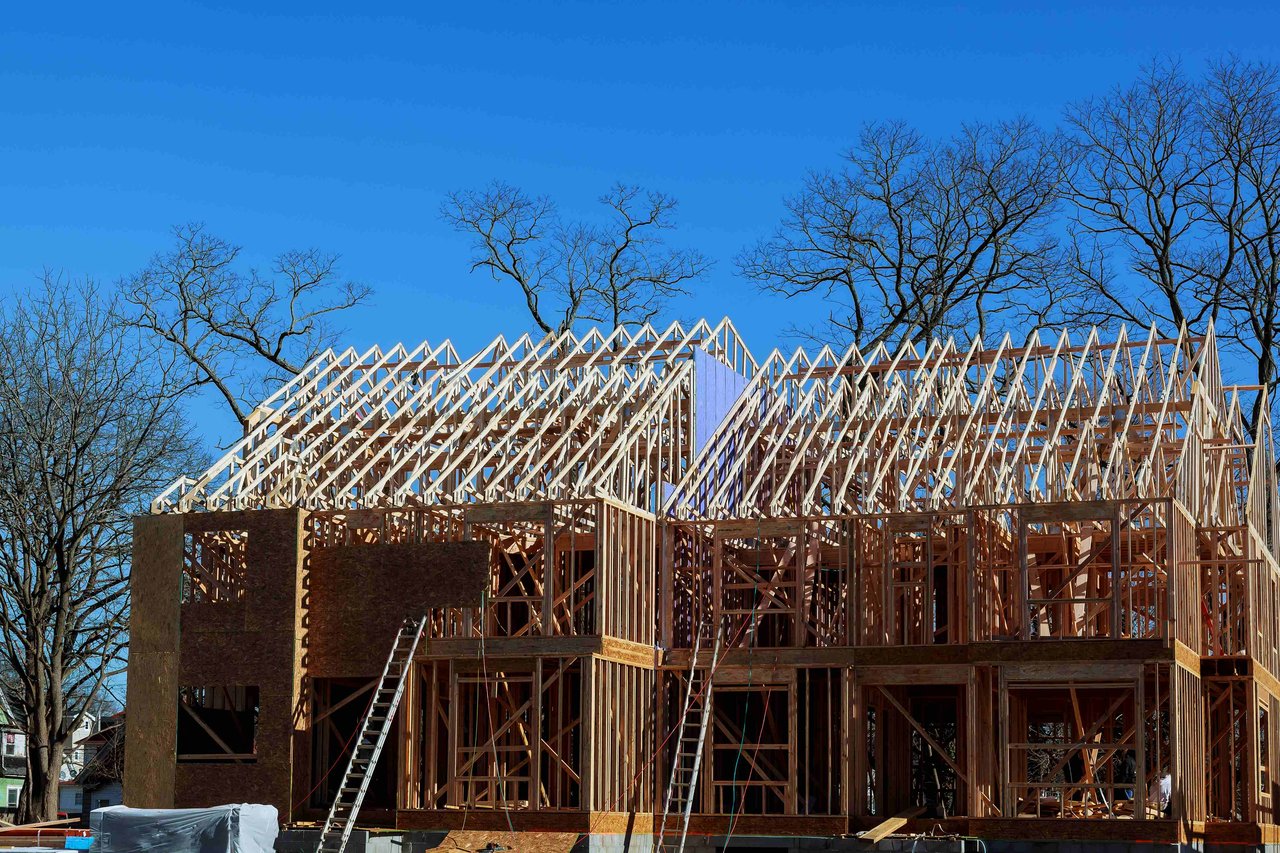
Recent data from the South Tyrol Statistics Institute shows a striking disparity: residential building permits increased by 53.9% compared to the prior year, but completed residential buildings fell by 66.2%. While new projects are being approved, many construction sites face delays. The pipeline is constrained, the land available for development is limited by mountain topography, and the local government has historically prioritized quality over volume in new construction.
South Tyrol's economy continues to grow, household confidence remains high, and purchasing power is strong — sustaining demand even as supply struggles to keep pace.
Who Is Buying
Demand comes primarily from buyers in northern Italy, Germany, Austria, and Switzerland — many seeking a second home that holds its value, sometimes with plans for seasonal rental use. Growing interest exists in properties near ski schools and trails, with buyers increasingly sensitive to regional economic stability and land scarcity.
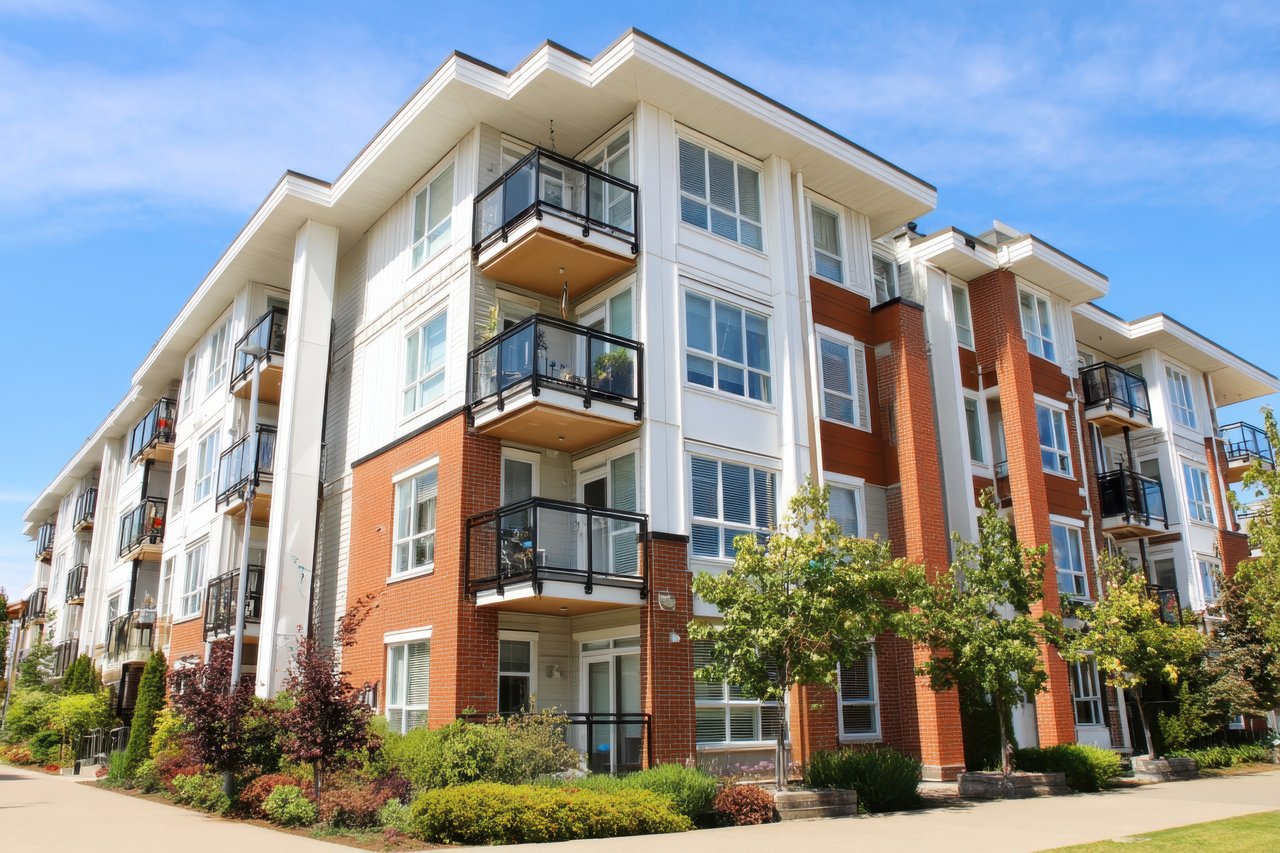
The profile of the South Tyrol buyer has also evolved. Criteria are shifting toward year-round comfort and energy efficiency. Local performance standards, such as CasaClima certifications, are increasingly influential in purchase decisions. Family apartments with two to three bedrooms, outdoor space, and garage access, alongside contemporary high-performance chalets built with local wood and high-quality insulation, dominate buyer preferences.
For internationally minded buyers, South Tyrol sits at a uniquely compelling intersection: the legal frameworks and lifestyle of Italy, the efficiency and order associated with Germanic culture, and a natural environment that genuinely rivals anything in the Alps. It is possible to ski world-class terrain in the morning, lunch on fresh pasta and locally grown Lagrein in a medieval hill town, and attend a cultural event in the evening — all without getting in a car.
A Few Things to Know Before Buying
Purchasing real estate in South Tyrol as a foreign national follows Italian property law, which is accessible to buyers from most countries. However, the local market has specific nuances worth understanding. Some properties, particularly those developed under subsidized housing schemes, carry residency restrictions designed to keep housing accessible to locals and limit speculative use. These are distinct from the open market and require careful due diligence.
For second-home buyers, local taxes such as the IMU apply, as do notary and registration fees that vary depending on whether the property is newly constructed or existing. Condominium fees and potential energy efficiency renovation costs are additional considerations.
Working with professionals who understand both Italian property law and the specific regulatory environment of the autonomous province is essential — and not merely advisable.
The Bigger Picture
South Tyrol does not need to oversell itself. The Dolomites do that work without any assistance. What makes this market genuinely compelling for sophisticated buyers is the combination of a lifestyle few places can replicate, a supply structure that inherently protects values, an economy that consistently outperforms the Italian national average, and a cultural richness that simply cannot be manufactured or imported.
The world is full of places that promise the alpine dream. Few deliver it with the consistency, the cultural depth, and the structural market integrity that South Tyrol does. For buyers who think in decades rather than trends, this is not simply a property market worth watching. It is one worth being in.