Discovering Europe's Last Undiscovered Paradise
In the middle of the Atlantic Ocean, roughly 930 miles west of mainland Portugal, lies one of Europe's best-kept secrets—and 2025's most compelling luxury real estate opportunity. The Azores, Portugal's autonomous region of nine volcanic islands, is experiencing a renaissance that's transforming it from a nature lover's hidden gem into a sophisticated investor's paradise.
The Perfect Storm of Opportunity
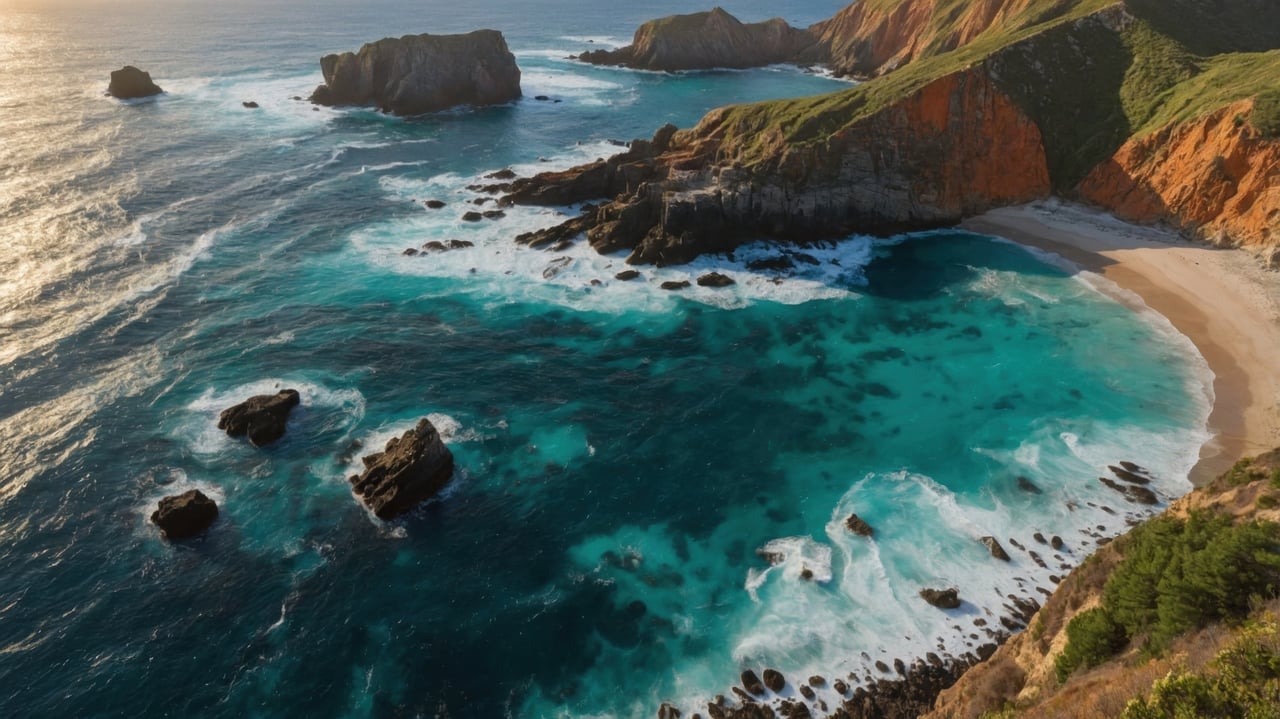
What makes the Azores particularly compelling right now is the convergence of several factors that rarely align in luxury real estate markets. First, there's the natural appeal: UNESCO-designated sites including Angra do Heroísmo's historic center on Terceira and the Pico Vineyard Landscape, featuring crater lakes so blue they seem photoshopped, geothermal hot springs nestled in lush valleys, and year-round whale and dolphin watching from your terrace. The climate hovers in perpetual spring territory—rarely too hot, never too cold, with that soft Atlantic light that photographers dream about.
In 2024, the Azores approved the largest Marine Protected Area network in the North Atlantic—approximately 300,000 square kilometers—positioning the region as a global sustainability leader and ensuring the marine ecosystems that make the islands so spectacular remain protected for generations.
But natural beauty alone doesn't drive luxury real estate investment. What's catalyzing the Azores boom is Portugal's evolving residency framework. While Portugal no longer grants Golden Visas through real estate (including in the Azores and Madeira), qualifying routes now include investment funds, job creation, R&D initiatives, and cultural donations. The classic Non-Habitual Resident (NHR) tax regime closed to new entrants in 2024, replaced by a narrower incentive program targeting specific qualified profiles such as R&D professionals and higher education specialists. Translation: residency and tax advantages still exist, but they require tailored professional advice rather than assumptions about automatic benefits.
For North American buyers, there's an additional strategic advantage: the Azores sit in a timezone (UTC-1) that splits the difference between New York and London, making it feasible to maintain business interests on both continents.
The Islands: Each With Its Own Character
São Miguel, the largest island and regional capital, leads the development curve. Ponta Delgada, its main city, has seen significant infrastructure investment, including renovated marinas, boutique hotels, and an expanding culinary scene. Portugal's restaurant sector is surging nationally; on São Miguel you'll find a growing number of serious kitchens, even if Michelin distinctions remain concentrated on the mainland and Madeira. Seasonal nonstops—like Boston to Ponta Delgada—make access easier than it used to be, though routes shift year to year, so always check the current Azores Airlines schedule when planning.
Real estate on São Miguel ranges widely. Restored stone quintas (traditional country estates) in the island's interior start around €500,000, offering acreage, privacy, and the opportunity to cultivate tea, pineapples, or passion fruit. Coastal properties command premiums, with modern villas in areas like Mosteiros or Caloura ranging from €1-3 million. The true trophy properties—oceanfront estates with multiple structures, pools, and extensive grounds—can exceed €5 million, though this still represents significant value compared to mainland European coastal markets.
For those seeking even greater seclusion, the smaller islands present intriguing opportunities. Pico, dominated by Portugal's highest mountain and surrounded by world-class whale watching, attracts buyers interested in eco-tourism ventures or off-grid luxury. Terceira offers UNESCO-listed historic towns and a stronger sense of traditional Azorean culture. Faial, with its iconic caldeira and yachting harbor, appeals to the sailing set. Properties on these islands typically start lower—€300,000 can secure a substantial house with land—but resale markets are thinner and renovation challenges greater.
The Investment Case Beyond Lifestyle
While many Azores buyers are motivated primarily by lifestyle and the chance to own a piece of Atlantic paradise, the market fundamentals show promise. Property values have risen in recent years alongside tourism and infrastructure growth, though appreciation varies significantly by island and locality—using local comparables and recent transactions is essential for any investment analysis.
This growth is driven by several factors:
Tourism set records in 2024, with roughly 4.3 million overnight stays for the year (preliminary SREA data), led by strong U.S., Spanish, and German demand. Yet despite this growth, the islands remain blissfully uncrowded compared to Madeira or the Canaries.
Remote work has proven to be more than a pandemic trend, and the Azores offers an ideal middle ground: developed enough for reliable connectivity (high-speed fiber at 100+ Mbps is available in many populated areas according to ANACOM national broadband coverage data, though availability varies by island and parish), uncrowded enough to feel like an escape. The regional government has actively courted digital nomads with visa programs and coworking spaces.
Sustainability-focused development is attracting premium buyers. Roughly 35-40% of the Azores' electricity currently comes from renewable sources (led by geothermal, with wind and hydro contributing), with active plans to increase that share. New construction increasingly emphasizes eco-design principles. For buyers whose values align with environmental stewardship, this matters.
Practical Considerations
Of course, investing in the Azores isn't without challenges. The islands' remote location means construction costs run 20-30% higher than mainland Portugal due to material shipping. Renovation projects on older properties often uncover structural issues requiring more extensive (and expensive) work than initially anticipated. Property management can be challenging if you're not on-island, though a growing number of professional services are filling this niche.
Weather, while generally mild, is changeable and often wet—this is why everything stays so lush and green. If you require guaranteed sunshine, consider the Algarve instead. And while accessibility has improved dramatically, you're still looking at connections through Lisbon or seasonal direct flights, which may not suit those who need to travel frequently.
Banking and legal processes, while increasingly streamlined for foreign buyers, still require patience and local expertise. Engaging a Portuguese lawyer familiar with foreign investment is essential, not optional—particularly given the changes to residency and tax programs.
The Timing Question
Real estate investors always ask: are we early, late, or just in time? With the Azores, the answer appears to be "still relatively early, but the window is narrowing." The islands are clearly past the "undiscovered" phase—that ended around 2018—but they haven't yet reached the saturation point of more established markets.
Prices remain reasonable compared to comparable European islands. A beachfront villa in the Azores might cost €2 million; a similar property in Mallorca or the French Riviera would easily command €5-10 million. As this gap narrows—and it will—early investors stand to benefit.
Infrastructure improvements continue. The regional government is pursuing airport, port/marina, and inter-island transport upgrades, with timelines varying by island. Ponta Delgada airport expansion is slated to begin in 2026, while ferry service through Atlânticoline and various marina projects—including work at Lajes (Flores)—target completion around 2026. Private investment in luxury hospitality continues, with several projects in various stages of development. These improvements support both tourism growth and property values.
Who Should Consider the Azores?
This market isn't for everyone, and that's part of its appeal. The ideal Azores buyer appreciates nature over nightlife, values authenticity over resort amenities, and sees remoteness as a feature rather than a bug. They're comfortable with a slower pace, adaptable when things don't go exactly as planned, and excited by the prospect of being part of a community rather than merely visiting a destination.
They're also often looking for geographic diversification—a foothold in Europe with potential residency pathways, set against the backdrop of global uncertainty. For North Americans in particular, the Azores offers EU access (through proper residency channels), and a lifestyle that feels surprisingly familiar (the islands have deep historical connections with New England and Canada through whaling and emigration).
Looking Forward
The Azores in 2025 occupies a unique position in the global luxury real estate landscape: developed enough to offer modern convenience, undiscovered enough to provide value and authenticity. It's a market where you can still find unspoiled coastline, where locals outnumber tourists, and where your biggest decision might be which crater lake to kayak across.
For investors who understand that the best opportunities often come from markets just before they tip into mainstream awareness, the Azores presents a compelling case. The islands won't remain under the radar forever—they're already being featured in travel publications and attracting attention from international developers. But for now, there's still time to invest in what may well be remembered as Europe's last great coastal discovery.
Interested in exploring Azores properties? Contact me for a curated selection of available estates and investment opportunities, along with referrals to qualified legal and tax advisors familiar with Portugal's current residency framework.