Thanksgiving and the Return to the Interior
Thanksgiving shifts the center of gravity back into the home. It’s the holiday that isn’t built on gifts or pressure but on presence — one table, one meal, one shared rhythm. It’s also the moment when a house reveals how well it supports the people within it. The art of quiet hospitality is not about staging, nor is it about perfectly executed décor. It’s about designing a home that feels good to be in, especially during the season when gathering becomes essential.
Thanksgiving invites a slower pace, and in that slowness, the sensory layers of a home matter more: the warmth of light at dusk, the way a room absorbs conversation, the calm created by thoughtful restraint. When done well, hosting feels less like a performance and more like alignment.
Spaces That Welcome Without Announcement
Thanksgiving begins at the threshold. A soft porch light, a swept walkway, a door that opens without hesitation — these are the quiet gestures that greet family and friends long before the conversation starts. Inside, an uncluttered entry becomes a relief. A place to pause, shed coats, and transition into another rhythm.
There is no need for seasonal fanfare. What matters is clarity and warmth. A single lamp, a clean surface, the faint scent of something simmering in the kitchen. These elements guide guests inward without demanding attention. Thanksgiving hospitality works best when the welcome feels effortless.
A Kitchen That Invites Participation
On Thanksgiving, the kitchen becomes the real gathering room. People drift in and out, offering help, stealing a taste, sharing stories while carving or stirring. The goal isn’t perfection — it’s flow.
Quiet hospitality means clearing counters so movement feels natural, placing frequently used pieces within easy reach, and allowing the room’s sounds — the low hum of conversation, the scrape of a wooden spoon — to create their own rhythm. A kitchen doesn’t need to impress. It needs to include.
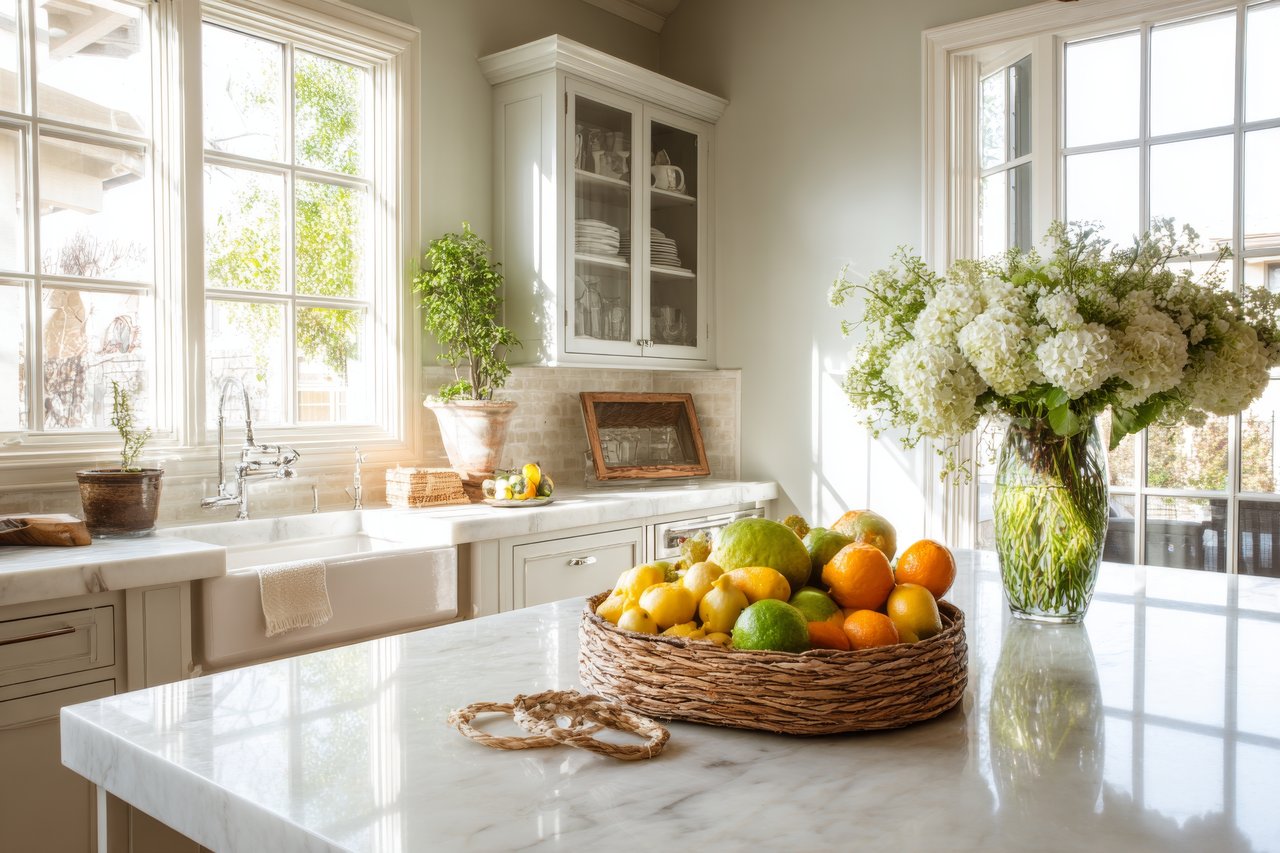
Even small design decisions shape this feeling: a warm lamp in a corner, a bowl of citrus on the counter, a clean stretch of workspace where someone can chop herbs or plate rolls without asking for permission. The space becomes an invitation.
Rooms That Hold Conversation
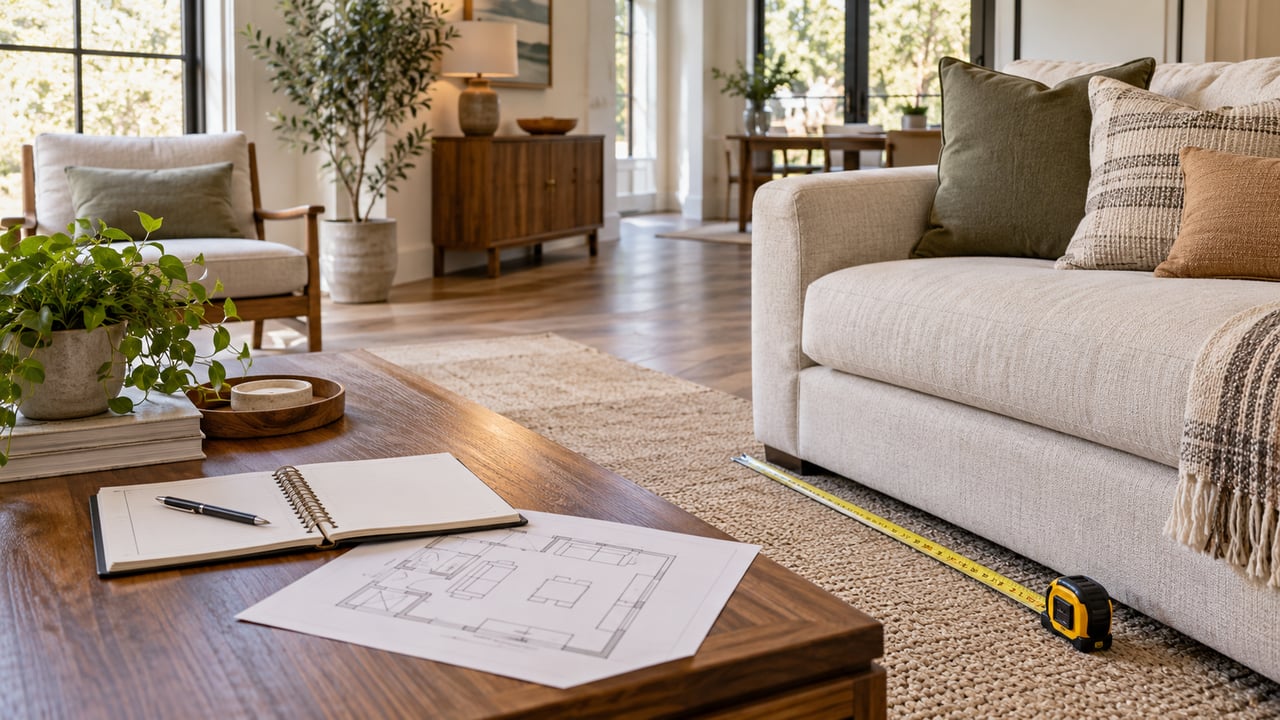
Thanksgiving evenings often unfold in the living room. Chairs angle toward each other instead of the television, blankets gather on armrests, and time stretches a little longer than it normally does. Quiet hospitality means creating a room where people feel comfortable lingering.
Soft light matters here — not overhead brightness, but lamps and sconces that make the room feel grounded. A thoughtful edit of surfaces helps, too. When the eye can rest, the mind follows. In this light, conversation feels unhurried. Stories take their time. The room becomes a container for connection.
Thanksgiving has a way of revealing which spaces feel genuine. Quiet hospitality meets that moment with intention, not excess.
A Table That Invites Rather Than Performs
Thanksgiving brings the dining table back into focus. But quiet hospitality resists the urge to over-style it. Comfort is the goal.
A table feels welcoming when it’s designed around interaction: linens that soften the space, candles that cast a gentle glow, a low arrangement that doesn’t compete with eye contact. The best Thanksgiving tables don’t try to impress. They encourage conversation, passing dishes, and staying for “just a little more” even after plates are cleared.
The art lies in restraint. A table that breathes allows people to breathe with it.
Rest as the Final Gesture
When the last guest leaves and the evening returns to stillness, the home should feel as though it has supported the day, not endured it. Quiet hospitality includes what comes after — a bedroom prepared with fresh bedding, a living room ready for a quiet morning, a kitchen reset enough to greet the next day gently.
Thanksgiving is a holiday of fullness, but the true luxury lies in the calm that follows. A home designed with quiet hospitality in mind makes space for both.