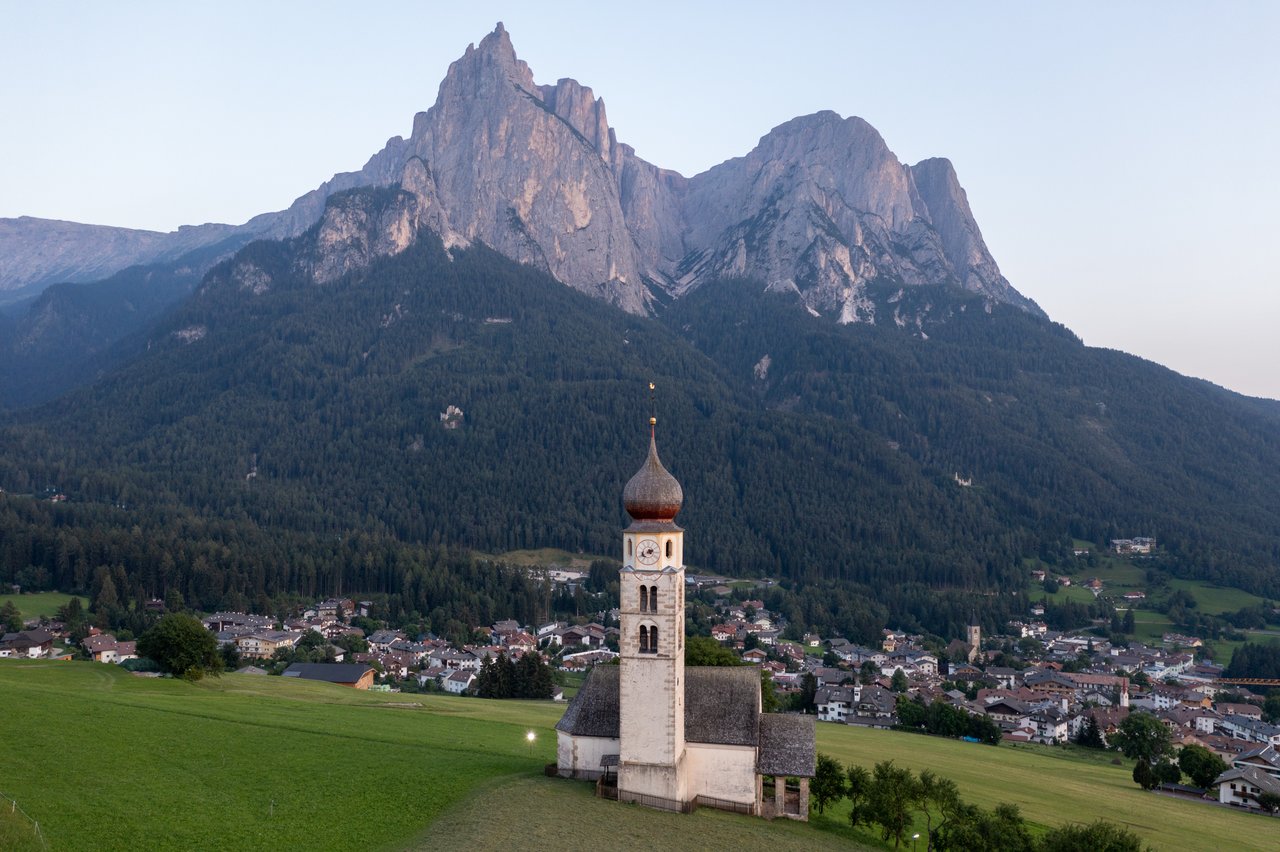
South Tyrol has been hiding in plain sight. Tucked into Italy's northernmost corner, where the Alps meet the Dolomites and Austrian precision shakes hands with Italian elegance, this remarkable region has quietly become one of Europe's most compelling destinations for discerning property buyers. The world is finally starting to notice.
If the words "Alpine Italy" conjure images of rustic ski chalets and nothing more, prepare to be pleasantly surprised. South Tyrol, known in Italian as Alto Adige, is a place of stunning contradiction. Ancient limestone peaks pierce the sky above vineyard-draped valleys. German-speaking villages coexist with Italian café culture and a third, wholly unique Ladin heritage. Michelin-starred kitchens sit just minutes from rustic mountain huts where knödel (Tyrolean dumplings) arrive swimming in melted butter, and both are worth the trip. It is a region that refuses to be categorized, and that is precisely its magic.
For anyone who dreams of owning a home that doubles as a lifestyle destination, whether as a primary residence, a second home, or a long-term investment, South Tyrol is delivering on every front.
A Four-Season Destination That Never Peaks Out of Season
One of the most underrated qualities a property location can have is year-round appeal. Many celebrated destinations shine brilliantly for a season or two, then go quiet. South Tyrol is a notable exception. In winter, the Dolomiti Superski area, the world's largest interconnected ski system, offers access to 12 resorts and over 1,200 kilometers of slopes. The region's Seiser Alm is Europe's largest high-Alpine pasture, offering immaculately groomed runs and cross-country trails that draw skiers from across the continent.
Come summer, those same mountains become a hiker's and cyclist's paradise, with wellness retreats, outdoor thermal pools, and guided trails through UNESCO World Natural Heritage landscape. Autumn brings harvest festivals, apple orchards in full swing, and wine routes threading through the vineyards that produce some of Italy's most prized and distinctive whites. The region has increasingly positioned itself as a serious wine and gastronomy destination: premium, small-scale, and deeply rooted in place, attracting travelers whose interests span food, culture, and travel in equal measure.
For property owners, this four-season desirability translates directly into sustained demand and long-term value stability, which is one of the most important and often overlooked drivers of real estate appreciation.
The Olympic Spotlight Has Arrived
The 2026 Milan-Cortina Winter Olympics have placed this Alpine corridor firmly on the global stage. South Tyrol is hosting a significant portion of the Games, including the Olympic biathlon competitions at the legendary Anterselva arena, a venue with decades of world-championship pedigree set against the spectacular backdrop of the Braies Dolomites and Val Pusteria.
The Olympic effect on real estate is well-documented: infrastructure improves, international visibility surges, and buyer interest from high-net-worth individuals accelerates. Trentino-South Tyrol has already emerged as the fastest-growing region for property inquiries in Italy in recent years, with experts directly attributing a significant portion of that surge to Olympic-driven interest. Luxury hotel brands including Aman, Mandarin Oriental, and others have been investing heavily in the Dolomites in advance of the Games, a reliable signal of serious long-term confidence in a destination.
Buyer interest from American and international purchasers has been rising sharply across Italy, and South Tyrol is among the regions benefiting most directly from that trend.
Where Two Worlds Meet, and Neither One Loses
South Tyrol's cultural identity is unlike anywhere else in Italy, and perhaps anywhere in Europe. Following its transfer from Austria to Italy after World War I, the region developed a dual character that it has preserved and deepened over more than a century. German, Italian, and Ladin cultures coexist here with a naturalness that feels neither forced nor performative. Street signs are trilingual. Menus blend hearty Alpine comfort with Italian culinary finesse. Aperitivo hour is as sacred as it is in Milan, yet the architecture and village cadence feel decidedly Tyrolean.
For property buyers from international markets, this cultural layering is enormously appealing. The region combines the organizational reliability and infrastructure quality typical of Northern European sensibilities with the warmth, beauty, and lifestyle richness of Italy. In practical terms, this means cleaner permitting processes, well-maintained infrastructure, and a business environment that is among the strongest in Italy, while still delivering the art, food, and sensory pleasure that draws people to the country in the first place.
Bolzano, the regional capital, is a compact, historically layered city that places residents within 30 minutes of major ski areas while offering first-rate museums, wine bars, and café culture. The surrounding municipality of Merano has long been regarded as a premium residential destination. The Alta Badia, Val Gardena, and Val Pusteria valleys are among the most sought-after addresses for second-home buyers seeking both natural beauty and world-class amenity.
The Property Market: Sophisticated, Stable, and Climbing
Luxury properties across Trentino-South Tyrol range broadly in character, from sleek, design-forward mountain apartments with Dolomite-facing panoramas to converted 19th-century farmsteads surrounded by forest and meadow. Average listing prices for luxury homes in the region hover around $800,000, with upper-end properties reaching well into the multi-millions. Common features in desirable properties include mountain views, generous terraces, wellness amenities, and access to ski infrastructure.
What distinguishes this market from many other Italian regions is its relative transparency and technical reliability. Buyers operating in other parts of Italy often encounter complexity around permits, technical conformity, and documentation. South Tyrol's governance structure, as an autonomous province with significant self-governing authority, has produced a more orderly regulatory environment. For international buyers, particularly those unfamiliar with Italian property law, this distinction matters considerably.
The region also benefits from strong economic fundamentals. South Tyrol is consistently ranked among the highest-performing economic provinces in Italy, supported by tourism, agriculture (particularly apple and wine production), manufacturing, and international business. A multilingual, business-oriented environment and strategic geographic location between Northern and Southern Europe make it attractive not just as a lifestyle destination but as a place to live and work.
What This Means for the Thoughtful Buyer
There is a reason that sophisticated international buyers, Americans included, have been accelerating their interest in this corner of Italy. South Tyrol offers something genuinely rare: a property market where lifestyle quality, investment logic, and cultural richness all align. It is not a flash-in-the-pan trend destination. It is a region with deep roots, four-season desirability, Olympic-level global visibility, and a property environment that rewards careful buyers.
Whether the goal is a mountain retreat that doubles as a rental investment, a European second home for multi-generational family use, or a primary residence for those ready to trade square footage for altitude and quality of life, South Tyrol belongs on the shortlist. The Alps have always rewarded those who pay attention, and right now, this is exactly where attention is due.