There is a certain romance to the idea of a grand home — soaring ceilings, rooms for every occasion, a guest wing that practically has its own zip code. And then there is the quiet wisdom of realizing that more square footage also means more to clean, more to heat, and more property taxes landing in the mailbox every year. So how does one strike the right balance? It turns out the answer has less to do with square footage on a listing sheet and more to do with three very personal factors: family needs, location, and lifestyle.
The good news is that with a little honest reflection, calculating the right home size for any household is entirely doable. The even better news? Getting it right from the start saves both money and a great deal of future second-guessing.
It All Starts With the People Inside
The single most important factor in determining home size is simply how many people will be living there. A useful rule of thumb: each person in a household typically requires between 200 and 400 square feet of comfortable, livable space. That gives a reasonable starting point for calculating a minimum size — though, of course, it is just that: a starting point.
Families with children should think not just about where kids are today, but where they will be in five or ten years. A toddler requires very little space; a teenager with a social life and a mountain of athletic gear is a different story entirely. Growing families benefit from building in some buffer — that extra bedroom, the finished lower level, or the generous bonus room that seems optional now but becomes indispensable later.
It is also worth thinking about how the household actually functions day to day. Is entertaining a regular part of life? Do kids bring the whole neighborhood home on weekends? Does anyone work from home and need a dedicated, quiet office? These are not luxuries to consider after the fact — they are genuine space requirements that deserve a seat at the decision-making table.
Location Changes Everything (Including What "Space" Means)
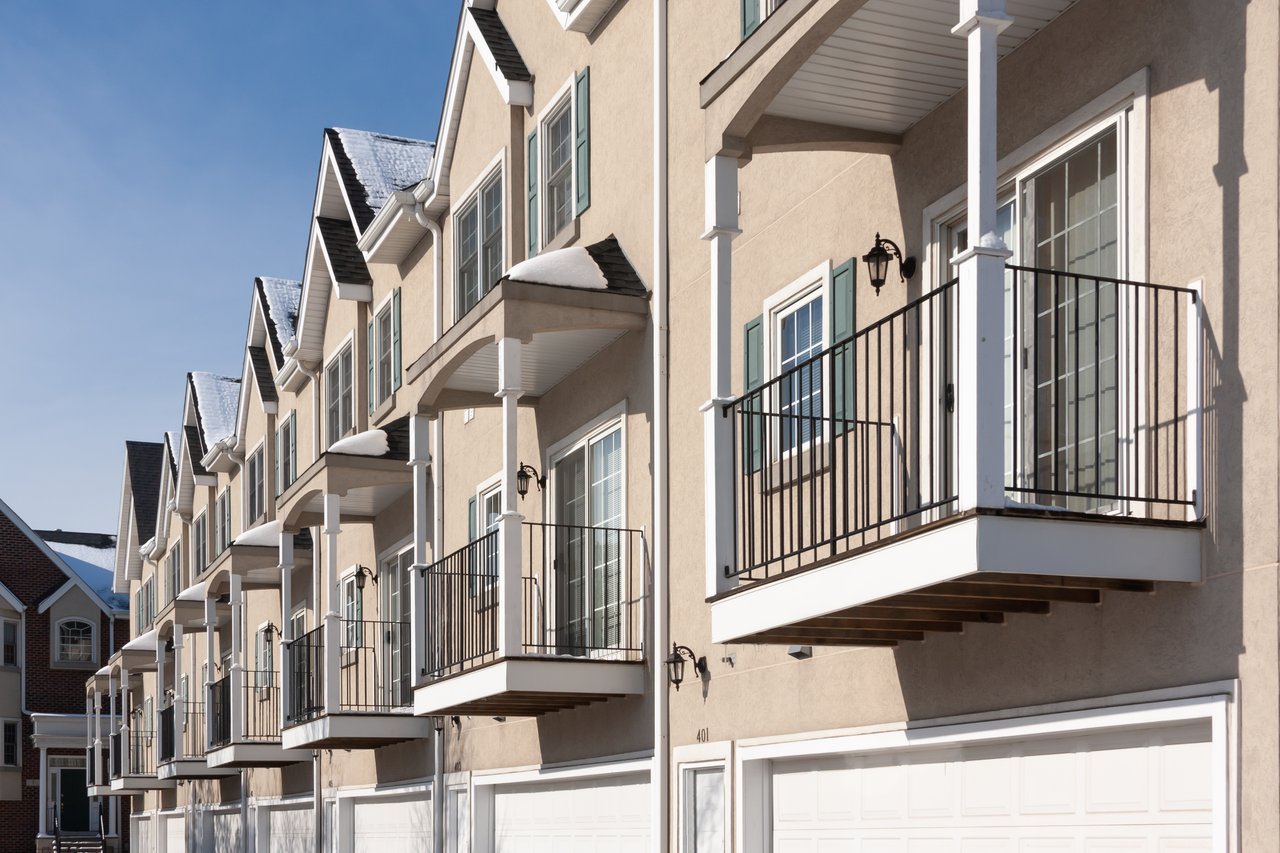
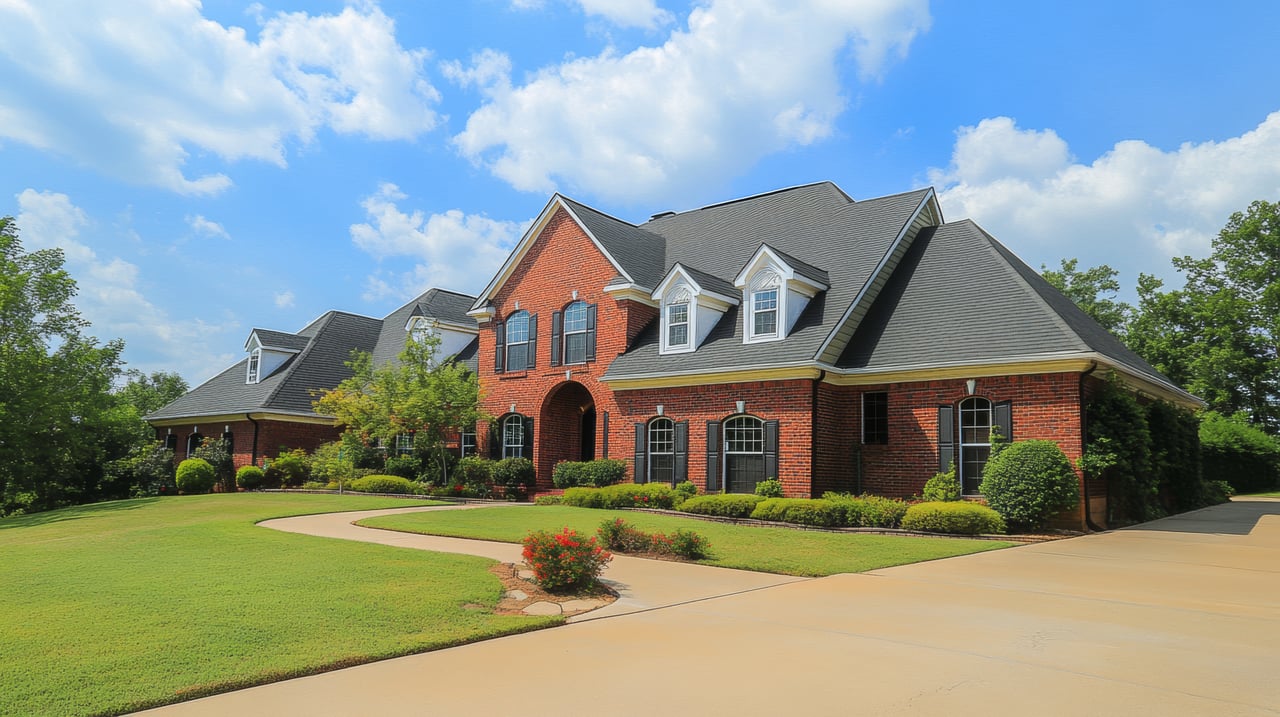
Here is something that catches many buyers off guard: the value of space is not fixed. It shifts dramatically depending on where the home sits. In urban neighborhoods and city centers, space is at a premium, and buyers typically pay significantly more per square foot for considerably less of it. A sleek city condominium at 1,200 square feet can carry a price tag that rivals a 3,500-square-foot suburban home just twenty minutes away.
Neither option is wrong — they simply represent different trade-offs. City living often means proximity to work, culture, and convenience in exchange for a more compact footprint. Suburban and exurban settings tend to offer more room to spread out, larger lots, and additional storage, though they often come with the need for multiple vehicles and the garage space to accommodate them.
Understanding what space costs in a specific market — and what a given location demands in terms of practical square footage — is essential context for any home size conversation. A seasoned real estate advisor can provide invaluable guidance here, ensuring that square footage expectations are calibrated to local realities rather than abstract ideals.
Lifestyle Is the Factor Most Buyers Forget
Of all the considerations that go into choosing a home size, lifestyle is perhaps the most personal — and the most frequently overlooked. It is easy to fall in love with a stunning pool, a chef's kitchen, or a sprawling outdoor entertaining area during a showing. The more important question is whether those features will actually be used.
A home that fits a household's authentic, everyday life is worth far more than one that merely looks impressive. Outdoor enthusiasts may genuinely benefit from covered patios, mudrooms, and generous storage for gear. Those who work from home need dedicated office space that functions as a true professional environment — not a corner of the bedroom or a spot at the kitchen table. Families with active hobbies, whether that is music, woodworking, fitness, or art, need space that accommodates those pursuits comfortably.
The important thing to remember is that space is difficult and expensive to add after the fact. Unlike finishes and fixtures, which can be updated over time, structural square footage is largely fixed once a home is purchased. Taking the time to honestly assess how space will be used — on an ordinary Tuesday, not just at the best dinner party of the year — is one of the most valuable exercises any buyer can undertake before beginning a home search.
The Bottom Line
The right home is not the largest one that can be afforded, nor the smallest one that technically fits. It is the one that genuinely reflects how a household lives, grows, and thrives — and that is a calculation well worth getting right.