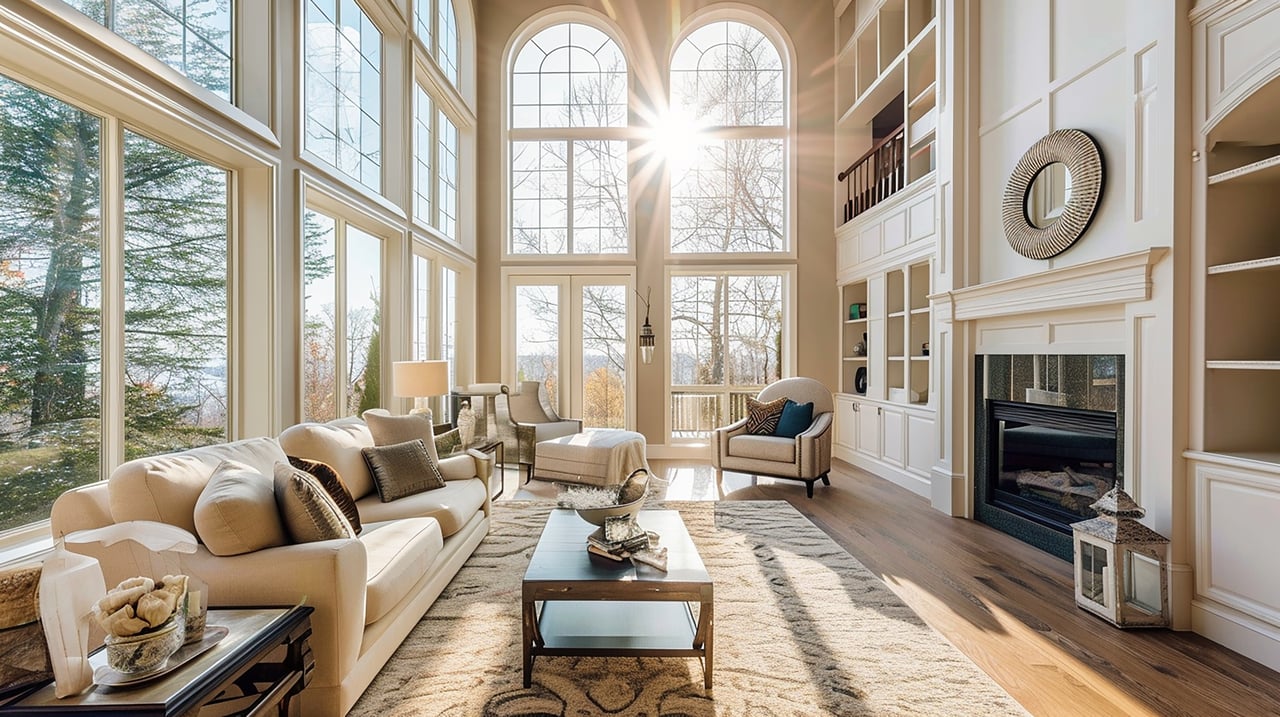
The luxury real estate market has entered 2026 with something it has not had in a while: genuine momentum. Not the manufactured optimism of slow seasons dressed up in press releases, but actual, measurable movement. Homes are selling faster. International buyers are returning in force. And the definition of what makes a property truly desirable has quietly, decisively shifted. If the market has felt electric lately, there are very good reasons for that.
Buyer Confidence Is Back, and It Brought Friends
Activity levels in early 2026 have surpassed typical seasonal expectations by a meaningful margin. Affluent buyers who had been waiting on the sidelines for a more favorable moment have largely stopped waiting, and that shift in sentiment is showing up in sales data across North America. Inventory remains tight in most desirable markets, which has kept pricing steady and, in a number of sought-after neighborhoods, pushed values higher still.
What is particularly notable is that luxury properties are outperforming the broader market this year. Analysts describe the dynamic as a "flight to quality," with high-net-worth buyers prioritizing properties that offer genuine lifestyle value over those that simply carry an impressive price tag. The result is a market where well-positioned homes are moving quickly and well-priced properties are attracting multiple offers.
The Lifestyle Shift That Is Rewriting the Rules
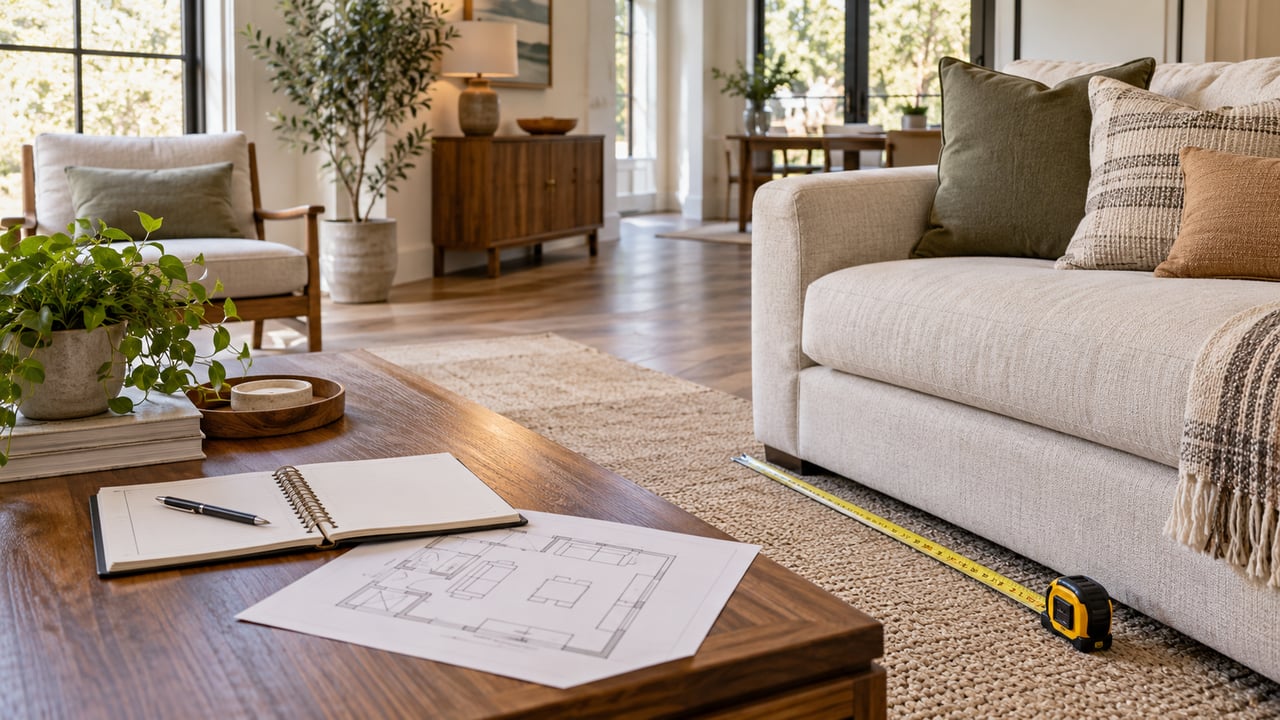
Square footage alone no longer closes the deal. Today's luxury buyers are making decisions based on how a property supports the way they actually live, and that represents a meaningful departure from the metrics that once dominated high-end real estate.
Wellness amenities, dedicated home office spaces that function as genuine professional environments, smart home integration, and sustainable design features have moved from nice-to-have to near-essential. Buyers are evaluating properties through the lens of daily experience rather than pure investment calculation, and sellers who understand that shift hold a significant advantage. A home that supports physical well-being, creative productivity, and seamless connectivity commands a premium that a comparable property without those features simply cannot match.
This is particularly relevant in the second-home and seasonal retreat segment, where buyers are seeking properties that function as genuine sanctuaries rather than occasional escapes. The bar for what qualifies as a sanctuary has risen considerably.
The Surprising Appeal of Older Homes
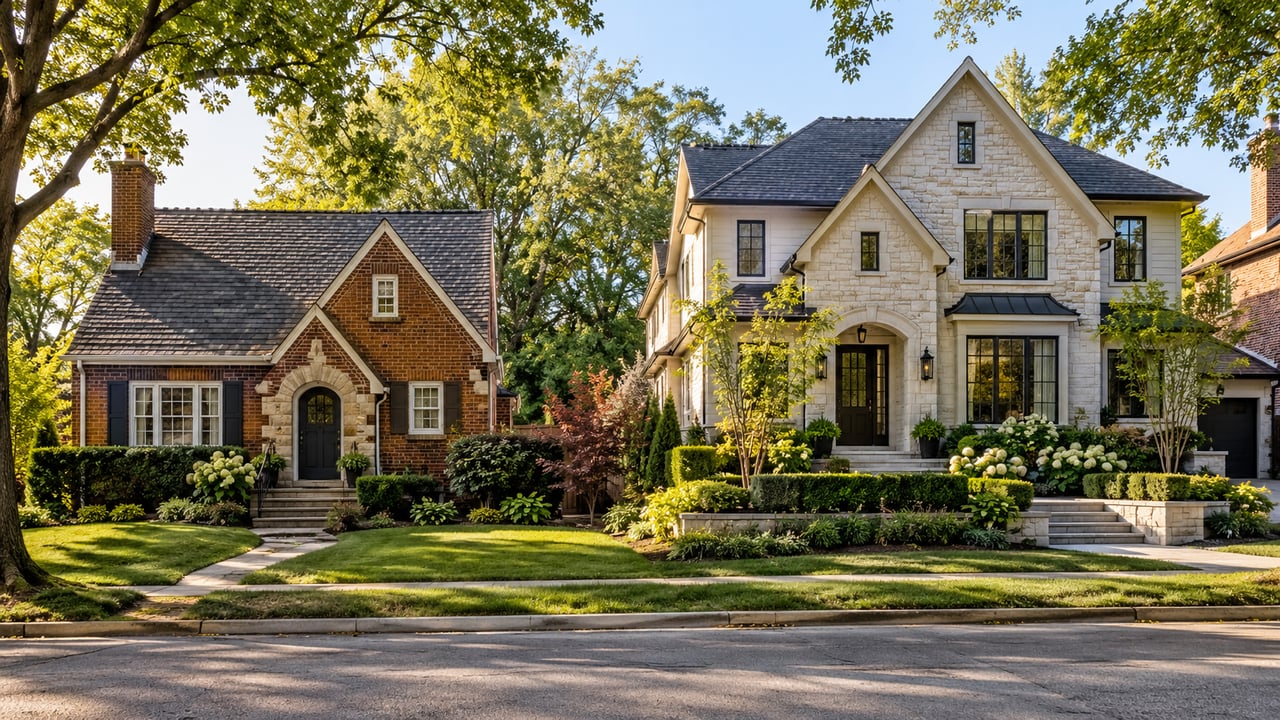
Some of the most competitive properties on the market right now are not new construction. In cities including New York, San Francisco, and Philadelphia, legacy properties are generating intense buyer interest precisely because they offer something that cannot be replicated: a genuine sense of place.
Buyers in established coastal markets have consistently demonstrated a willingness to prioritize location, land value, and architectural character over modern construction. The reasoning is straightforward. Cities with limited developable land have a finite supply of homes in the most prestigious neighborhoods, and that scarcity tends to protect and enhance value over time.
The calculus for buyers is often this: a property with history, positioned in an irreplaceable location, will hold its value through market cycles in ways that newer construction in less established areas may not. A renovation can update a kitchen. It cannot manufacture a century of neighborhood character.
Speed and Competition in the Hottest Markets
The pace of transactions in the most active luxury markets is striking, with well-priced properties in desirable locations moving in a matter of weeks rather than months. In high-demand metro areas, the combination of constrained inventory and renewed buyer urgency means that hesitation carries a real cost.
Nationally, the entry point for luxury real estate now starts at approximately $1.3 million, a threshold that reflects both sustained demand and the ongoing scarcity of quality inventory in top markets. In gateway cities and established coastal hubs, that number climbs considerably higher.
For sellers, the combination of low inventory and heightened buyer urgency creates favorable conditions that have not been this pronounced in some time. The window is real, and it is open now.
The International Factor
One of the more consequential developments in the 2026 luxury market is the surge in international buyer activity. According to Sotheby's International Realty's 2026 Luxury Outlook report, cross-border purchases of U.S. luxury residential real estate have increased 44 percent compared to the prior year, with particular concentration in Florida, California, Texas, and New York.
The motivations are consistent across buyer profiles: a desire for stability, an interest in hard assets that preserve wealth, and the appeal of a lifestyle infrastructure that high-end American real estate reliably provides. For many international buyers, a U.S. property is not simply a residence but a strategic holding, a place where capital can be both protected and enjoyed.
This trend has meaningful implications for sellers in these states. The pool of qualified buyers extends well beyond local and domestic markets, and marketing strategies that account for international interest can produce significantly different outcomes than those that do not.
What This Means for Buyers and Sellers Right Now
For buyers, the message is one of urgency paired with intentionality. The properties worth owning are not sitting on the market. Homes with the lifestyle features that today's buyers demand, in the locations that retain value across market cycles, are moving quickly. Waiting for a moment of perfect clarity in any market is a strategy that tends to result in missed opportunities.
For sellers, the current environment rewards preparation and precision. Buyers are discerning. They will pay a meaningful premium for a property that presents well, offers the amenities they value, and is priced with an understanding of what the market will bear. They will not overpay for a home that does not align with their lifestyle priorities, regardless of how impressive the listing looks on paper. The sellers succeeding in 2026 are those who understand the difference.
The 2026 luxury market is not simply buoyant. It is directional. It rewards those who understand what buyers actually want, where value is genuinely anchored, and why the right property in the right location remains one of the most compelling places to put capital, regardless of what else is happening in the world.
Sources:
- Sotheby's International Realty 2026 Luxury Outlook Report
- Robb Report: Inherited Wealth and International Demand Are Expected to Fuel the Luxury Market in 2026
- HousingWire: Global Luxury Housing Markets Move Toward Equilibrium in 2026
- Knight Frank Wealth Report 2025