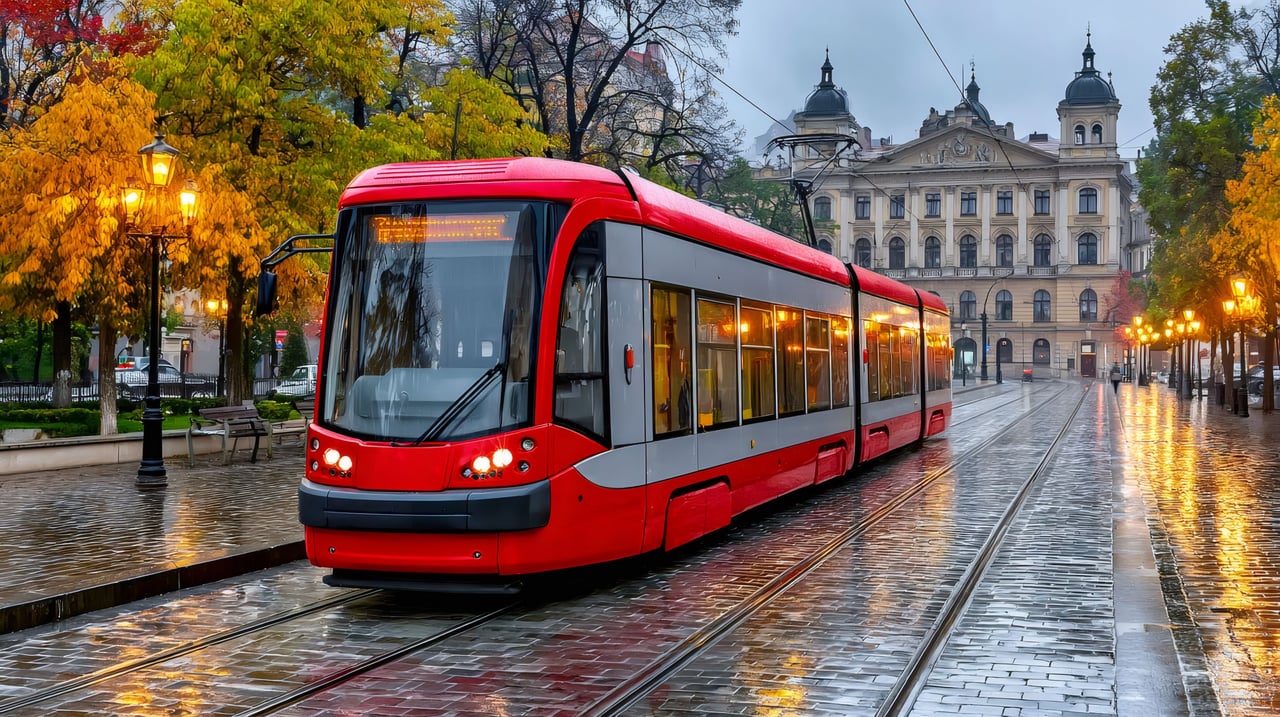
Europe has a way of making the question "where should I live?" feel simultaneously thrilling and completely overwhelming. Pick a direction on a map and there is a beautiful, historically rich, food-forward city waiting to make a compelling case for itself. The cobblestones, the light, the coffee, the pace — it is all there, in abundance, across most of the continent. The real question is not whether Europe is worth considering. It is which version of Europe suits the life one actually wants to build.
For buyers and relocators thinking about a second home, a retirement base, or a full international move, the answer depends enormously on priorities. Cost. Climate. Culture. Connectivity. Community. These are not interchangeable, and the city that is perfect for one buyer may be entirely wrong for another. What follows is a clear-eyed look at some of the continent's most prominent and genuinely livable cities — and what each one actually offers the people who choose it.
Lisbon: A Southern European Base That Still Competes on Value
Lisbon remains more accessible than many Western European capitals — Paris, London, Amsterdam, and Zurich all cost considerably more to live in — though rising rents and property prices over the past decade mean it is no longer the bargain it once was. What it does still offer is a mild Atlantic-Mediterranean climate, a historic and walkable urban fabric, and a quality of life that consistently draws international residents.
Portugal has become a notable destination for remote workers, thanks to its digital nomad visa, which makes it easier to relocate and work legally from the country. Lisbon is also widely regarded as a safe city, and residents have access to both public and private healthcare options.
For retirees, the combination of a relaxed pace and genuine cultural richness remains compelling. For remote workers and early-career professionals, the visa framework and the city's growing international community provide a credible on-ramp. The property market has matured significantly, and buyers should enter with current pricing data rather than assumptions formed a few years ago — but the fundamental case for Lisbon has not dissolved. It has simply become a more sophisticated conversation.
Barcelona: Coastal Energy, Cultural Depth, and a Rental Market in Transition
Barcelona offers an extraordinary blend of energetic city life and a relaxed, family-friendly environment. The city is alive with a dynamic cultural scene, from Gaudí's architectural landmarks to countless museums and festivals. Its position on the Mediterranean coast gives residents direct access to beaches, and an efficient public transport system connects the city and its suburbs seamlessly.
For families, Barcelona is a strong choice, with excellent international schools, numerous parks, and a welcoming environment for children.
Barcelona's global appeal supports durable long-term housing demand. However, buyers considering rental income need to evaluate the city's tightening short-term rental rules carefully. Barcelona has announced plans to eliminate licensed tourist-apartment rentals by November 2028, subject to implementation and any future legal or political changes. Spain's courts have generally supported the authority of regional and local governments to regulate tourist housing. For buyers whose acquisition strategy depends on short-term rental income, this is not a footnote — it is a central variable that requires legal review before any commitment is made. For those buying primarily for personal use or long-term residency, the lifestyle case remains as strong as ever.
Vienna: The Standard by Which Other Cities Are Measured
Consistently ranked among the world's most livable cities, Vienna is synonymous with a high quality of life. The Austrian capital is known for its outstanding organization, stunning architecture, and a refined elegance that characterizes everyday life. It is a city where things simply work well.
A major contributor to Vienna's livability is its outstanding public healthcare system, which provides accessible, high-quality medical care. The city is also filled with abundant green spaces, from the expansive Prater park to the Vienna Woods, offering residents opportunities to step away from urban life without leaving the city.
In Mercer's 2024 Quality of Living ranking, Vienna placed second globally after Zurich. In the Economist Intelligence Unit's 2025 Global Liveability Index, Copenhagen edged ahead, with Vienna remaining near the very top. Across nearly every major index, Vienna performs at or near the top tier — a consistency that few cities anywhere in the world can match. For buyers who prioritize stability, safety, and long-term value, that track record is meaningful.
Amsterdam: International, Connected, and Professionally Dynamic
Amsterdam blends historic charm with a forward-thinking, progressive spirit. Known for its picturesque canals and welcoming atmosphere, it is one of Europe's major cities with a genuinely international character. English is widely spoken, making it accessible for newcomers from the outset. The city offers a high standard of living, supported by excellent infrastructure and a strong social fabric.
Professionally, Amsterdam is a hub for technology and creative industries, presenting significant opportunities for skilled workers. The combination of a robust job market, a welcoming international community, and a high quality of life makes it a consistently popular destination for expats from around the world.
Amsterdam's real estate market is competitive and has remained expensive by European standards, though price growth was expected to moderate in 2026. For buyers, that is both a challenge and a signal — sustained demand reflects a city with durable appeal, and property here has historically demonstrated resilience over time.
Berlin: Creative Energy at a Relatively Accessible Cost
Berlin is widely regarded as one of Europe's leading creative hubs, drawing artists, entrepreneurs, and professionals from around the world. The cultural scene is exceptional — world-class museums, independent galleries, and a legendary live music and arts environment ensure there is always something new to discover.
For digital professionals and remote workers, Berlin is particularly appealing. Its thriving startup ecosystem and large international community create a supportive environment for those working across borders.
Berlin remains relatively more accessible than many major Western European capitals, though the gap has narrowed considerably. For buyers at the intersection of lifestyle and value, that differential is still worth understanding — though current pricing research is essential.
Copenhagen: The City That Earned the Top Spot
Copenhagen is a model for modern urban living, with a strong focus on sustainability, community, and well-being. The city is renowned for its bicycle-friendly culture, clean air, and commitment to green initiatives. Residents benefit from Denmark's comprehensive public healthcare system, and the city's parks and harbor baths offer extensive opportunities for outdoor recreation.
In the Economist Intelligence Unit's 2025 Global Liveability Index, Copenhagen ranked first in the world — overtaking Vienna to claim the top position. In Mercer's 2024 Quality of Living ranking, it placed fourth globally. Across both methodology types, the city performs at the very top of the global tier.
Copenhagen comes at a price — it is among the more expensive European cities by any measure. But for buyers choosing on the basis of lifestyle quality, safety, and a city that has deliberately and consistently invested in the texture of everyday life, the premium reflects something that cannot be easily replicated elsewhere.
The Question Every Buyer Should Actually Answer First
The cities above share certain qualities: safety, culture, infrastructure, and a genuine standard of living that justifies international interest. What they do not share is a single personality, a single price point, or a single set of residency rules.
Vienna, Zurich, and Copenhagen consistently perform near the top of major livability and quality-of-life rankings globally. Lisbon is widely viewed as safe and appealing, and remains a compelling option for internationally minded buyers, though it does not rank as consistently at the very top of the same global indices.
Real estate markets in Europe vary widely — from the highly competitive and expensive markets in cities like Amsterdam to the more accessible pricing in destinations like Lisbon or Valencia. This variation is not a flaw in the system. It is information — and for a buyer who understands it, it is an advantage.
The right European city is the one that aligns with how someone actually wants to live, not simply the one that photographs best. That calculation, done carefully and with the right guidance, tends to lead somewhere very good