If you are drawn to homes with breathing room, mature trees, and a quieter daily rhythm, Town and Country stands out for a reason. This is the kind of place where space shapes your routine, from longer driveways and broad lawns to nearby parks and convenient errand stops that do not overwhelm the residential feel. If you are wondering what everyday estate living actually feels like here, this guide will help you picture the pace, layout, and lifestyle. Let’s dive in.
Space Shapes Daily Life
In Town and Country, estate living is not just a style label. It is built into the way the city is planned and regulated, with large-lot residential use preserved as the dominant pattern. The result is a community that feels intentionally open, private, and residential.
The city covers 11.49 square miles of land and has an estimated 2025 population of 11,619. That works out to a population density of about 1,013 people per square mile, which supports a more spacious feel than you might expect in a well-located west St. Louis County suburb. It is also a place shaped by long-term ownership, with 86.5% owner-occupied housing.
That ownership pattern matters in everyday life. You often feel it in the upkeep, the established landscaping, and the sense that homes here are meant to be lived in for years, not treated as temporary stops. The city’s median owner-occupied home value of $928,500 also reflects a market where residential investment tends to be significant.
Large Lots Create the Estate Feel
What makes Town and Country feel estate-like is not only home size. It is the combination of lot size, setbacks, and greenery that creates visual calm from one property to the next. Instead of tight spacing and hard edges, you are more likely to notice open ground, trees, and distance between homes.
City standards reinforce that feeling. On lots of one acre or more, at least 75% of the lot must remain green space, and habitable floor area is capped at 13% of the lot. On smaller lots, green space must still be at least 60%, which helps preserve a softer, more landscaped setting.
For some properties, the standards become even more expansive. Large-lot subdivision rules for parcels of four acres or more include minimum lot widths of 150 feet and 50-foot residential setbacks. In practice, those rules help create the roomy mornings and quieter streets many buyers associate with estate living.
What You Notice From the Street
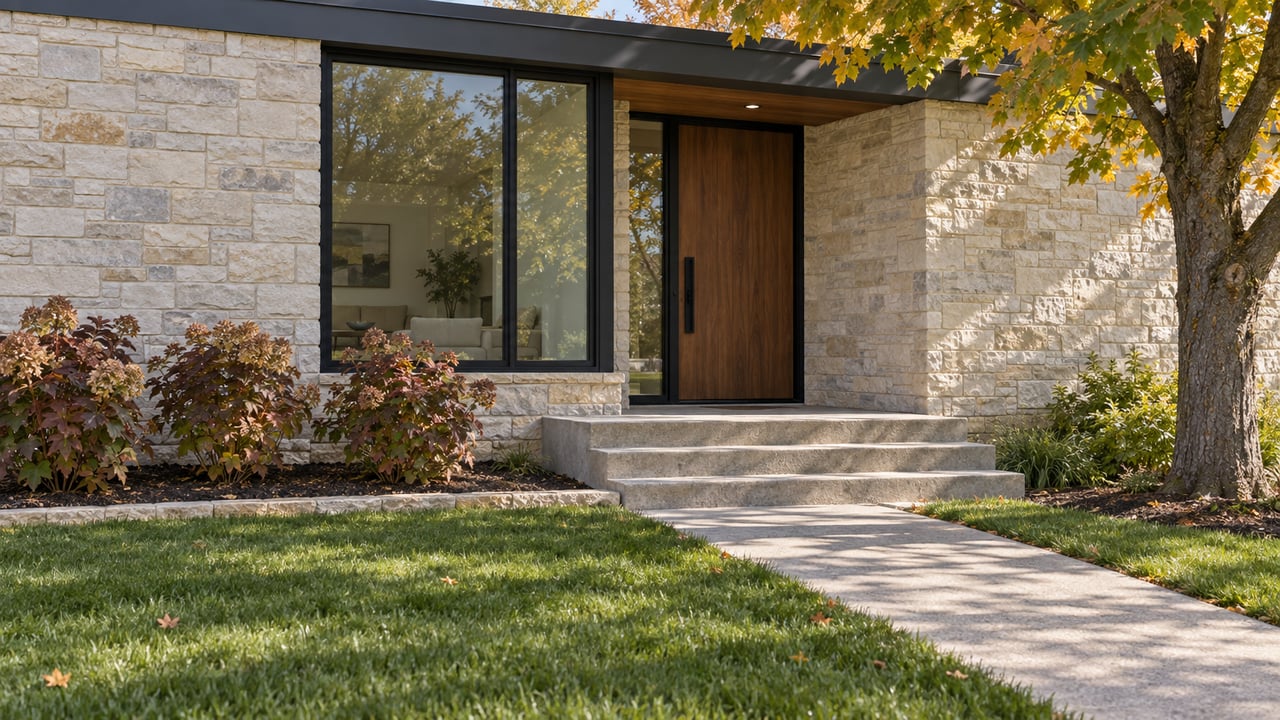
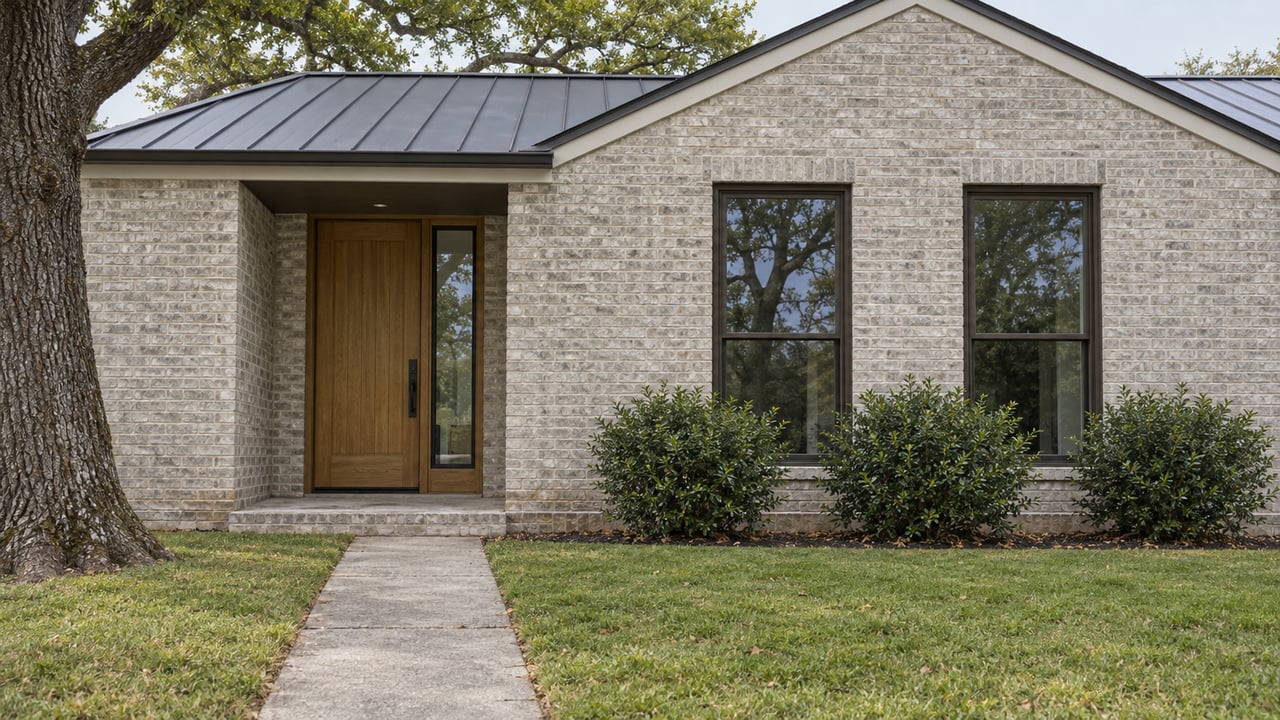
The everyday feeling of Town and Country often starts before you even step inside a home. Streetscapes tend to be defined by deep front yards, broad side yards, and mature landscaping rather than a dense wall of homes. That spacing changes how a neighborhood feels as you drive, walk, or return home at the end of the day.
The city’s planning direction also supports that experience. Its comprehensive plan calls for preserving large-lot residential as the predominant land use and keeping retail uses at the edge of the city where possible to minimize through-traffic. That choice helps protect a quieter residential core.
Residents appear to value that character very highly. In the city’s community survey, 99% of respondents rated Town and Country as an excellent or good place to live. They specifically highlighted the convenient location, green space, one-acre lot zoning, parks, and overall balance between residential and commercial uses.
Convenience Without a Crowded Feel
One of the more appealing parts of everyday life here is that convenience is close, but it is not spread across every block. Shopping and dining are available in defined clusters, which lets you handle daily needs without changing the city’s low-density character. That balance is a big part of Town and Country’s appeal.
Town & Country Crossing is one of those practical lifestyle hubs. Its current mix includes dining, retail, and service options such as Cooper’s Hawk Winery & Restaurant, First Watch, Everbowl, HomeGoods, Athleta, and Ginger Bay Salon & Spa. That gives you a place to combine errands, lunch, and a few quality-of-life stops in one outing.
For groceries and prepared foods, Straub’s Town & Country on Clayton Road adds another useful everyday option. It is open daily from 8 a.m. to 8 p.m., which fits naturally into a morning, midday, or after-work routine. Nearby, West County Center in Des Peres expands the range of shopping and dining options with more than 150 stores and restaurants.
A Strong Sense of Access
Estate living can feel isolated in some markets, but Town and Country tends to avoid that tradeoff. The city maintains about 100 lane miles of residential and collector roads, including key routes like Clayton Road and Woods Mill Road south of Clayton. It also connects to major regional corridors such as I-64/Hwy 40 and Hwy 141.
That accessibility shows up in daily routines. The Census Bureau reports a mean commute time of 20.3 minutes for workers in Town and Country, which suggests that many residents can enjoy a more spacious home environment without feeling far removed from work, services, or the rest of St. Louis County. In simple terms, you get room without giving up reach.
Parks Add a Slower Rhythm
A large lot gives you private outdoor space, but parks add another layer to everyday living. In Town and Country, that public green network helps slow the pace of the day in a way that feels consistent with the city’s residential identity. It gives you places to walk, reset, and spend time outdoors beyond your own property lines.
Town & Country Parks & Recreation manages more than 60 acres of city parks, all free to visit year-round from sunrise to sunset. That includes Longview Farm Park, Drace Park, and Preservation & Cadet Park. These spaces support the kind of routine that can shift easily from home to trail to evening plans.
Longview Farm Park stands out as a central lifestyle feature. The park includes trails through woods, around a lake, and alongside stables and pasture, and it also hosts events and activities like yoga classes, picnics, summer camps, tennis lessons, and seasonal community gatherings. For many buyers, that mix of scenery and usable public space helps define the day-to-day experience more than any single property feature.
Walking, Biking, and Everyday Movement
Town and Country’s slower rhythm does not mean inactive. In the city survey, 71% of respondents said a connected trail and sidewalk system is extremely or very important to quality of life. That tells you outdoor movement is part of how many residents experience the city week to week.
The same survey found that 54% of residents walk the system at least weekly, while 14% bike at least weekly. Those numbers help paint a practical picture of life here. You can move from a quiet residential setting to a trail or park without the day feeling rushed or overly urban.
Estate Living Is Also About Balance
What makes Town and Country distinctive is not just privacy or property size on its own. It is the balance between a residential atmosphere and day-to-day convenience. You can have open lawns, mature trees, and generous setbacks, then still make an easy grocery stop, meet friends for brunch, or head to a park trail without crossing into a dense commercial environment.
That balance appears to be intentional, not accidental. The city’s planning documents support keeping nonresidential development in selected edge areas while preserving the established residential pattern. So if you are looking for a place where estate living feels usable every day, not remote or performative, Town and Country offers a compelling version of that lifestyle.
Why Buyers Keep Looking Here
For many buyers, Town and Country answers a very specific wish list. You may want a home that feels private and established, but still want practical access to shopping, dining, major roads, and green space. Here, those goals tend to work together.
It also helps that the city’s residential identity is supported by planning and zoning choices that reinforce its character over time. That can be meaningful if you are thinking not only about how a home feels today, but also about how the surrounding environment may continue to feel in the years ahead. In a market where lifestyle fit matters just as much as square footage, that consistency can be a major advantage.
If you are exploring Town and Country and want a more tailored view of which streets, lot styles, and home settings align with your lifestyle, Nika Leoni can help you navigate the market with a thoughtful, high-touch approach.
FAQs
What does everyday estate living in Town and Country feel like?
- It generally feels spacious, quiet, and residential, with large lots, mature landscaping, nearby parks, and clustered convenience for errands and dining.
Is Town and Country mostly residential?
- Yes. The city’s planning framework prioritizes large-lot residential land use and limits nonresidential development to selected areas, especially at the edges of the community.
Are homes in Town and Country truly estate-like?
- Many properties have an estate-style feel because city standards emphasize green space, generous setbacks, and large minimum lot sizes in certain districts and subdivision types.
Is it easy to run errands in Town and Country?
- Yes. Residents have access to practical shopping and dining nodes such as Town & Country Crossing, Straub’s Town & Country, Town Square planning areas, and nearby West County Center.
What parks support the Town and Country lifestyle?
- Town & Country Parks & Recreation manages more than 60 acres of parks, including Longview Farm Park, Drace Park, and Preservation & Cadet Park.
How accessible is Town and Country for commuting?
- The city connects to regional routes such as I-64/Hwy 40 and Hwy 141, and the reported mean commute time for workers is 20.3 minutes.