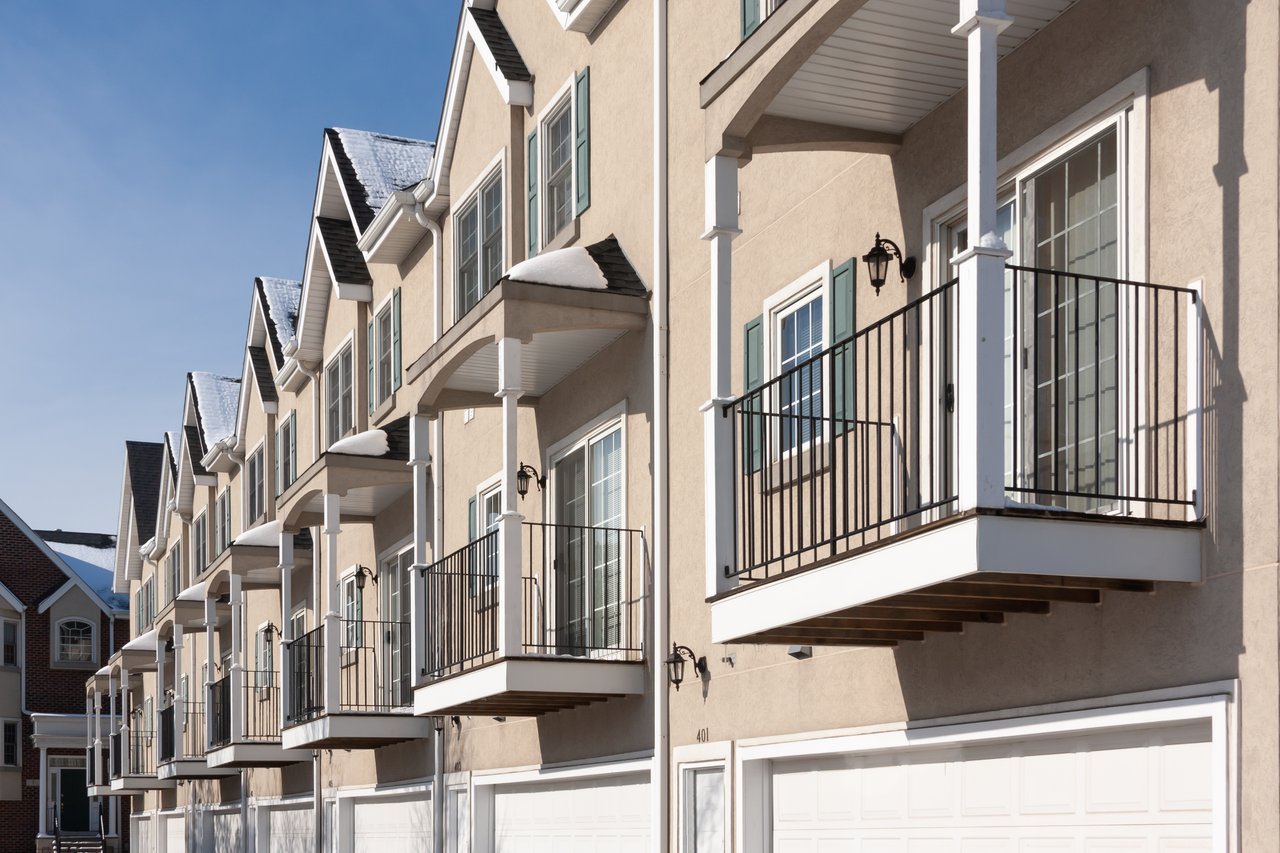
Picture it: the keys to a stone farmhouse in Tuscany, an apartment overlooking the Seine, or a whitewashed villa on the Portuguese coast are finally in hand. The dream of European home ownership has come true. Then a surprisingly practical question arrives, often later than it should: how many days per year can an American owner actually spend in that home?
Owning a home in Europe does not, by itself, grant the right to live there beyond the normal visa-free stay. Property ownership and immigration status are separate legal issues in nearly every European country. For most Americans, the answer is governed not by the deed but by a set of European border rules that many buyers discover only after the purchase. Understanding those rules before falling in love with a property is one of the smartest moves a prospective second-home buyer can make. The good news is that with careful planning, and in some cases a clever bit of choreography known as the "Schengen shuffle," extended European living is entirely achievable.
The 90-Day Rule Every Buyer Should Know
The Schengen Area is a zone of 29 European countries that share a common border policy, including favorites like France, Italy, Spain, and Portugal, along with non-EU members such as Switzerland, Norway, and Iceland. American citizens do not need a visa to visit, but they are limited to 90 days within any 180-day period across the entire zone.
Here is the part that surprises many buyers: the Schengen Area functions as a single destination for immigration purposes. Time spent in Italy, France, and Spain all draws from the same 90-day allowance. Hopping from a home in Provence to a weekend in Lisbon does not pause the clock. It keeps right on ticking.
The Rolling Window, Explained
The most common misconception is that leaving Europe for a few days resets the count. It does not. The rule operates on a rolling 180-day window, meaning that every time a traveler enters the Schengen Area, border officials look back at the previous 180 days and tally how many were spent inside the zone. A quick trip to London or a Croatian island getaway does not erase the days already used.
For many second-home owners, this often translates into spending roughly three months in the Schengen Area followed by a comparable period outside it, although the exact timing depends on each traveler's previous stays. Owners who want to maximize time in their European home need to plan arrivals and departures with genuine precision. The European Commission publishes an official Schengen calculator online, and seasoned travelers treat it as essential equipment, right alongside the passport.
Enter the Schengen Shuffle
This is where strategy gets interesting. Because several appealing European countries sit outside the Schengen Area, including the United Kingdom, Ireland, Albania, Montenegro, Serbia, and Türkiye, savvy owners can alternate between Schengen and non-Schengen destinations to remain in or near Europe for far longer than 90 days at a stretch.
Imagine spending spring at a home in Spain, summer exploring Scotland and Ireland, then returning to the Continent in autumn once enough days have rolled back into the allowance. This approach, informally called the Schengen shuffle, is not a loophole. It is a fully legal way of structuring extended travel, and immigration attorneys report clients who follow this pattern year after year while remaining completely compliant. Some experienced travelers even build in a buffer, using only ten weeks of their allowance rather than the full thirteen, to leave room for the unexpected.
For buyers still choosing where to purchase, this dynamic can even shape the search itself. A home in a non-Schengen country pairs beautifully with extended Schengen travel, and vice versa.
The Other Clock: Taxes
Immigration days are only half the story. Spend enough time in one country, and its tax authorities may start to take an interest. Many travelers assume that staying under 183 days in a single country automatically shields them from tax residency, but the rules vary significantly from country to country. Some jurisdictions also examine what is known as a person's "center of vital interests," meaning where they maintain their primary home, financial relationships, and personal ties.
This matters for property owners. Owning a home does not by itself usually make someone a tax resident, but when combined with factors such as where you spend your time, maintain financial relationships, or establish personal ties, it may become part of the overall residency analysis. Depending on the jurisdiction, tax residency can mean liability for taxes on worldwide income, which in some Western European countries may be taxed at marginal rates exceeding 40 percent. Remote workers face an additional wrinkle, since working while present on tourist status is not necessarily permitted everywhere.
None of this should scare a buyer away from European ownership. It simply means that a qualified cross-border tax advisor belongs on the team, right alongside the real estate professional and the attorney.
Big Brother Has a Passport Scanner
One more development worth knowing: the European Union is rolling out its Entry/Exit System, a digital program that records arrivals and departures electronically rather than relying primarily on passport stamps. Immigration experts note that this will make overstays and day-counting mistakes far easier for border authorities to detect. The era of relying on faint passport stamps and informal day counting is coming to an end. Precision is the new standard, and well-prepared owners will barely notice the difference.
When the Shuffle Is Not Enough
For owners who find themselves wishing the 90 days would simply never end, Europe offers formal pathways worth exploring. Digital nomad visas, retirement visas, and investor residency programs exist across the Continent, each with its own requirements and benefits. Immigration professionals generally suggest that anyone planning a genuinely long-term life abroad consider these options rather than shuffling indefinitely.
The right path depends entirely on individual goals, finances, and lifestyle. That is a conversation best had with qualified immigration and tax professionals before signing anything, and ideally before the house hunt even begins.
European home ownership has never been more within reach for American buyers, and the rules that govern it have never been more knowable. Those who plan with intention will find that the dream of a European address is not just attainable but sustainable, season after season, year after year.
This article is for informational purposes only and does not constitute legal, tax, or immigration advice. Readers should consult qualified professionals regarding their individual circumstances.