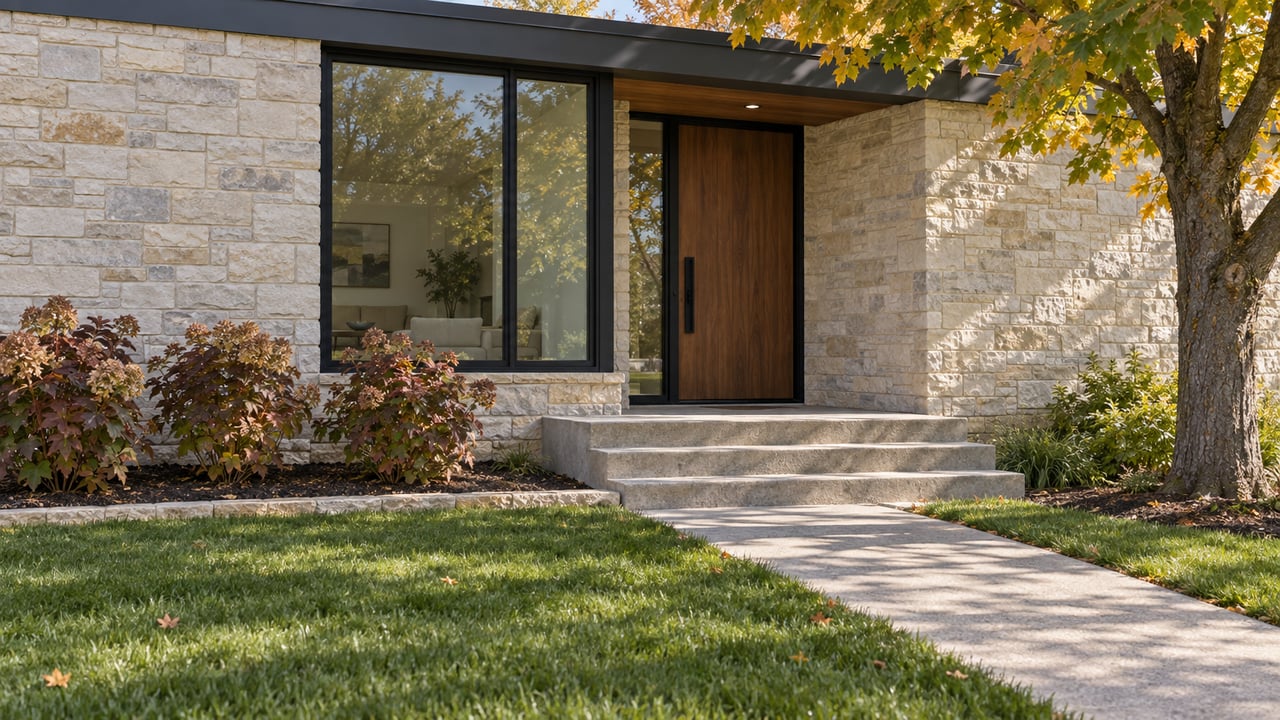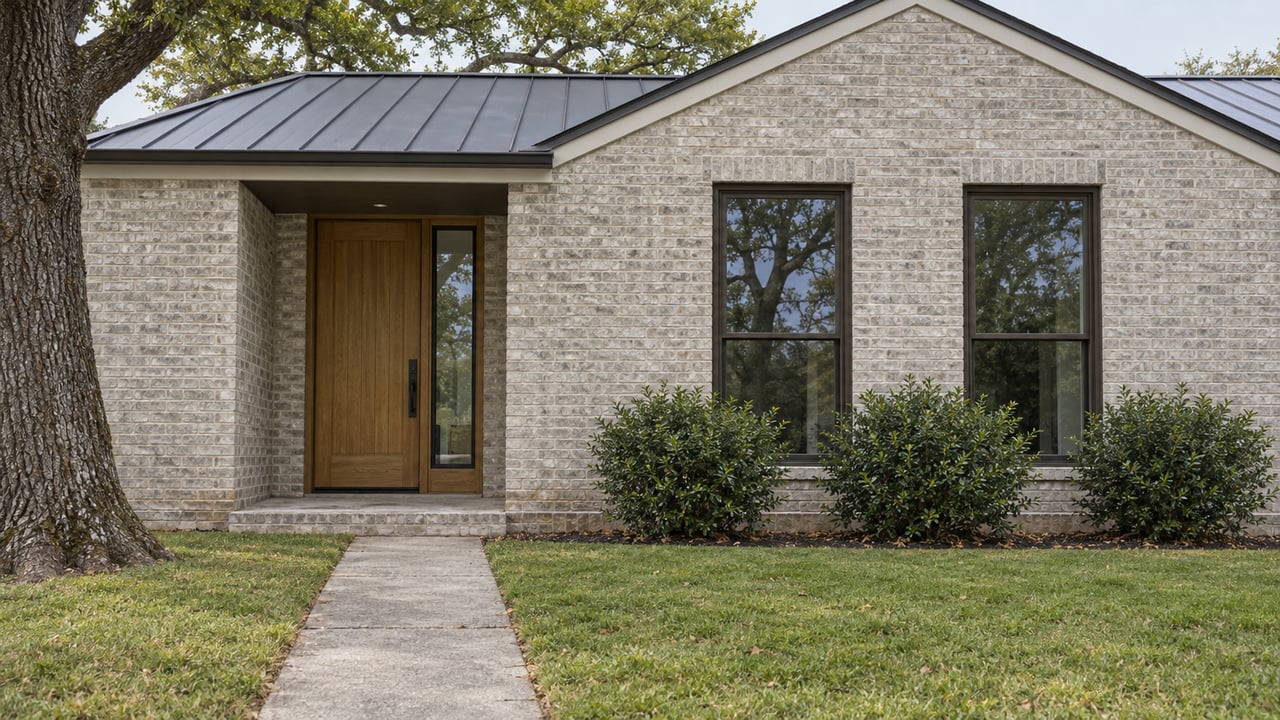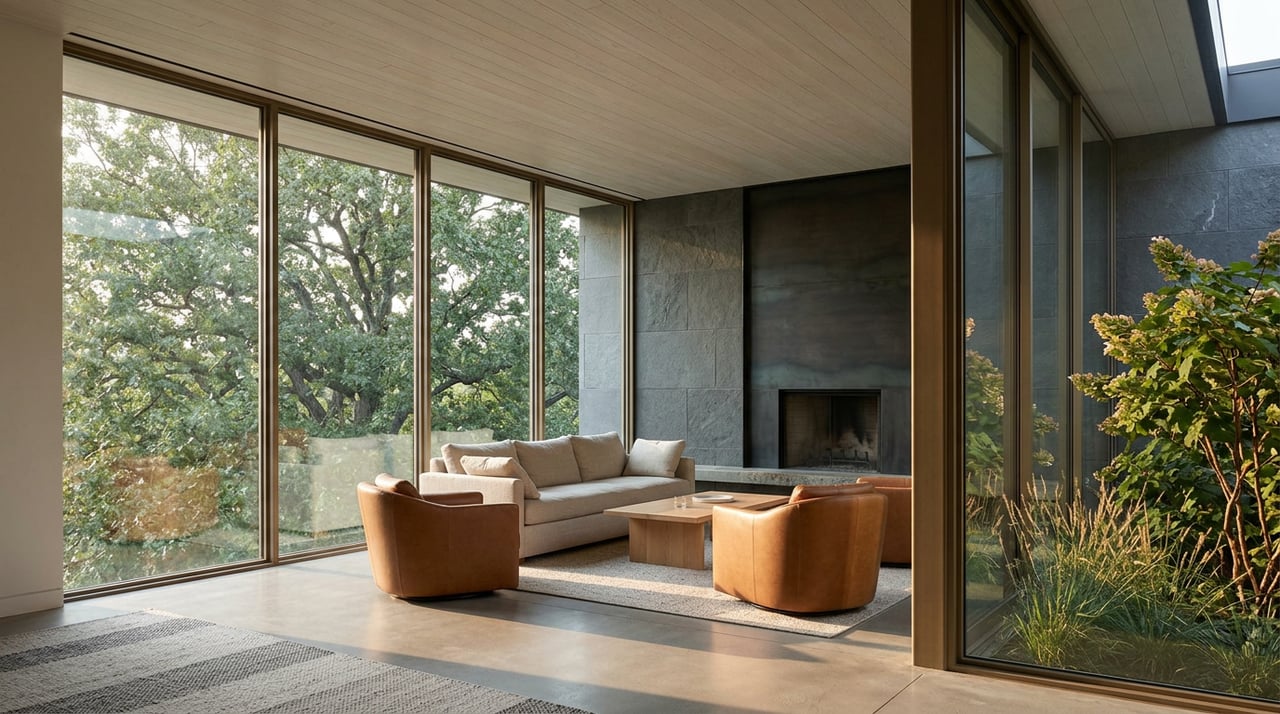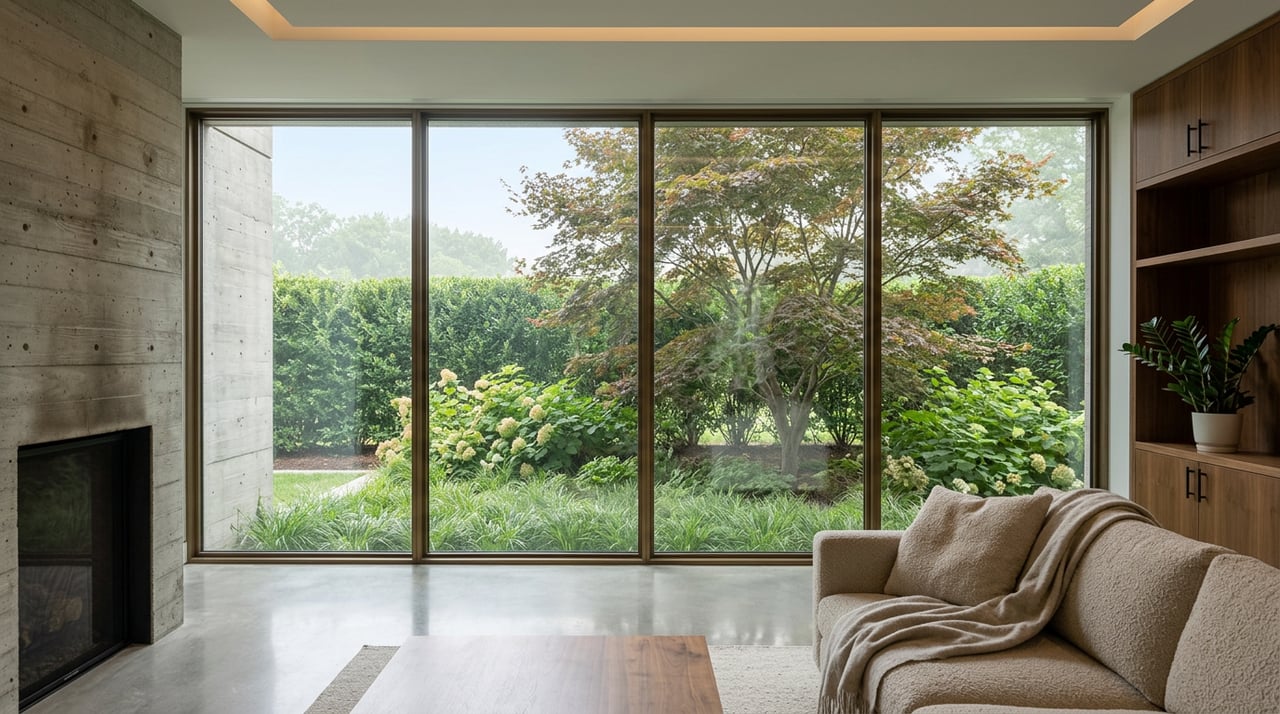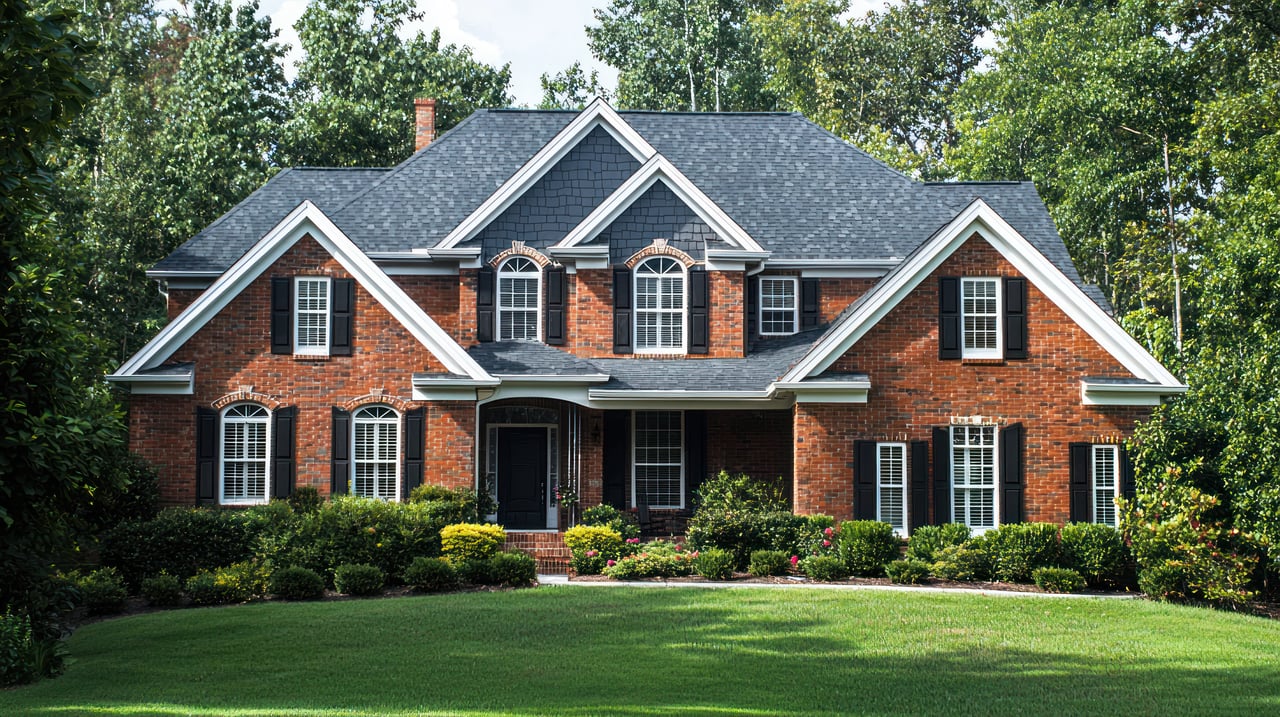
If you are searching for an estate-style home in Frontenac, square footage alone will not tell you enough. In this part of St. Louis County, the land, the tree canopy, the setbacks, and the way a home sits on its site can shape daily life just as much as the floor plan. This guide will help you evaluate Frontenac estate properties with a sharper eye so you can compare homes with more confidence. Let’s dive in.
Why Frontenac homes need a different lens
Frontenac is a small, low-density municipality with about 3,482 residents, roughly 1,300 homes, and 1,944 acres. The city’s long-range planning and zoning framework place real weight on spacious residential patterns, green space, and site design. That matters because an estate-style home here is often defined as much by its setting as by its finishes.
In many areas of Frontenac, single-family residential lots are planned around one-acre-or-more patterns, and the city’s R-1 zoning requires one-acre minimum lots, generous setbacks, and at least 60% green space. There is also an R-2 district with smaller minimum lots, so you should confirm parcel-specific zoning instead of assuming every estate property follows the same standards.
Frontenac also offers a rare mix of quiet residential streets and a luxury commercial corridor. The city’s 2050 plan identifies Plaza Frontenac, Le Chateau, and the Frontenac Hilton site as the core of the business district while also calling for nearby residential subdivisions to be protected. For you as a buyer, that means convenience and privacy often need to be weighed together.
Start with the lot first
When you tour an estate-style home in Frontenac, begin outside. A beautifully updated interior can capture attention fast, but the lot is often the first layer of value here. Two homes with similar room counts can live very differently depending on how the site is shaped and used.
Frontenac’s review materials require close attention to property lines, setbacks, easements, driveways, topography, stormwater flow, landscaping, hardscape, and greenspace calculations. In practical terms, this means you should look past a broad first impression and ask how much of the site is truly usable.
Check usable yard space
A large lot does not always mean a large functional yard. Setbacks, drainage paths, drive court placement, mature trees, and hardscape can all reduce the amount of outdoor space that feels open and usable. What matters is not just lot size on paper, but how the land performs for everyday life.
As you walk the property, notice where you would actually spend time. Look for level lawn areas, outdoor entertaining zones, and how easily the backyard connects to the home. A deep lot can still feel limited if major site constraints push activity into only one narrow section.
Evaluate privacy and buffering
Privacy in Frontenac often comes from a mix of lot width, tree canopy, and thoughtful separation from nearby homes or roads. Mature landscaping can soften views and reduce exposure, especially on lots near more traveled streets. That privacy may be one of the biggest differences between two otherwise similar homes.
The city’s architectural review materials specifically call for landscape plans, tree locations, tree removals, and tree protection measures. In some cases, the city may require input from an ISA-certified arborist on preservation issues. That makes existing trees and landscape structure more than a cosmetic detail. They are part of the property’s long-term value and experience.
Study orientation and outdoor function
Orientation affects how an estate home feels throughout the day. Sunlight, shade, sight lines, and the placement of terraces or pools can make one property feel calm and private while another feels exposed or underused. In a tree-rich setting like Frontenac, these details matter.
Pay attention to where the main outdoor living spaces face and how they relate to surrounding trees and neighboring homes. A patio may look appealing in listing photos, but its real value depends on whether it offers comfort, privacy, and usable light at the times you would actually use it.
Drainage deserves serious attention
Drainage is not a side issue when evaluating estate-style homes in Frontenac. The city notes floodplain rules that apply to two major floodplain areas, primarily around Deer Creek and Two Mile Creek. It also states that new structures in a floodplain must place the basement floor at least two feet above base flood elevation.
Frontenac’s stormwater design guidance explains that the city sits in the Deer Creek watershed and that redevelopment has added impervious surface, which can increase runoff and erosion pressure. For buyers, this means you should understand how water moves across the property, especially on large lots with long driveways, retaining walls, or substantial hardscape.
What to look for on a tour
Look for signs that the site handles water well during heavy rain. You may want to note:
- Slope toward or away from the house
- Low spots in the yard
- Drain inlets and swales
- Retaining walls or erosion patterns
- Driveway runoff paths
- Basement conditions and any signs of past moisture
If a home is near Deer Creek, Two Mile Creek, or another obvious drainage corridor, ask directly whether the property lies in a floodplain. In Frontenac, that question is part of smart local due diligence, not an afterthought.
Compare architectural quality, not just style
Estate-style buyers often notice design immediately, but in Frontenac, the smartest comparisons go deeper than whether a home looks traditional, transitional, or contemporary. The city uses formal exterior design review for new construction and many exterior changes, and that process considers elevations, roof plans, materials, colors, windows, doors, site integration, and neighboring context.
That means architectural quality should be judged in a more complete way. A home that feels cohesive from every angle may offer stronger long-term appeal than one with a flashy front elevation and less resolved side or rear design.
Look for proportion and consistency
As you compare homes, pay attention to:
- Roofline quality and scale
- Window placement and symmetry
- How additions connect to the original structure
- Whether exterior materials are consistent on all sides
- Whether the home feels designed for the site
These details can shape how a property ages and how it feels in person. In a place like Frontenac, where exterior harmony and site integration matter, strong architecture often feels calm, balanced, and intentional.
Review renovation quality carefully
Frontenac’s Building and Planning department states that preserving the character of buildings and improving stormwater runoff from redeveloped property are part of its goals. The city has also adopted the 2021 International Building Code, Residential Code, Swimming Pool and Spa Code, Energy Conservation Code, Property Maintenance Code, and Existing Building Code.
For you, that makes permit history and renovation quality especially important when comparing older estates, expanded homes, and partial teardowns. A renovation that looks polished on the surface may still deserve closer review if the work changed the exterior, grading, drainage, or site layout.
Street type can affect ownership costs
Not every Frontenac street is maintained the same way. The city says Clayton Road, Geyer Road, Spoede Road, and Conway Road are city-owned streets, while Lindbergh Boulevard and I-64 are controlled by MoDOT. Some private residential streets are maintained by subdivision trustees.
This may affect your ownership experience more than you expect. In older estate subdivisions, trustee-maintained streets can involve separate upkeep, snow removal arrangements, or assessments. When you compare homes, it is worth asking not just where a property sits, but who maintains the road leading to it.
Think about proximity to Plaza Frontenac
For some buyers, access to dining, shopping, and entertainment is part of the appeal of living in Frontenac. Plaza Frontenac is a major part of that equation, and the city’s comprehensive planning treats the surrounding business district as a premier destination. At the same time, the city emphasizes buffering nearby residential areas from commercial impact.
That is why proximity should be evaluated with nuance. You may love being close to amenities, but you should also think about traffic patterns, road noise, and how quickly a property shifts from convenience to exposure. The ideal location is often close enough to enjoy the area easily while still preserving the sense of retreat that estate buyers value.
Verify school assignment by address
Many Frontenac addresses fall within the Ladue School District boundary, but the district boundary should be verified by exact address. School assignment should never be assumed from the city name alone. In a market where municipal identity and district lines do not always match perfectly, parcel-level verification is the smart move.
This is especially important if school assignment is one of your buying criteria. A simple address check early in the process can help you avoid confusion later.
Your Frontenac tour checklist
When you walk an estate-style home in Frontenac, keep this short checklist in mind:
- Confirm the parcel’s zoning district
- Compare usable yard space, not just lot size
- Assess privacy from trees, width, and setbacks
- Review site slope, drainage, and floodplain status
- Ask whether the street is public or trustee-maintained
- Evaluate architecture from all sides of the home
- Review permit history for major renovations or additions
- Verify whether past exterior work involved ARB review
- Confirm school assignment by exact address
- Weigh proximity to Plaza Frontenac against privacy and quiet
Final thoughts on evaluating estate homes
The strongest estate-style homes in Frontenac are usually the ones where the land, architecture, and setting work together. Here, value is often shaped by one-acre-scale planning patterns, green space, stormwater considerations, mature trees, and careful exterior review. If you focus only on finishes or total square footage, you can miss the qualities that matter most over time.
A thoughtful comparison process helps you see which homes truly offer privacy, long-term livability, and a more complete estate experience. If you want a refined, local perspective as you evaluate Frontenac properties, Nika Leoni offers high-touch guidance tailored to the way you want to live.
FAQs
What matters most when evaluating estate-style homes in Frontenac?
- The lot often matters first, including usable yard space, privacy, tree canopy, drainage, setbacks, and how well the home fits the site.
How do Frontenac zoning rules affect estate-style homes?
- In Frontenac, many estate-style expectations are shaped by low-density planning, and R-1 zoning requires one-acre minimum lots, generous setbacks, and at least 60% green space, although parcel-specific zoning should always be confirmed.
Why is drainage important for Frontenac estate properties?
- Frontenac is in the Deer Creek watershed, and some areas are affected by floodplain rules, runoff, and erosion concerns, so buyers should review how water moves across the property and ask about floodplain status.
Should buyers verify school assignment for a Frontenac address?
- Yes, because many Frontenac addresses fall within the Ladue School District boundary, but assignment should be confirmed by exact address rather than assumed from the city name.
What should buyers ask about renovations on a Frontenac home?
- Ask about permit history, the quality of any additions or exterior changes, whether prior work required ARB review, and whether any outstanding conditions remain tied to earlier approvals.
Does street maintenance vary in Frontenac subdivisions?
- Yes, because some streets are city-owned, some major roads are controlled by MoDOT, and certain private residential streets are maintained by subdivision trustees, which can affect upkeep and assessments.