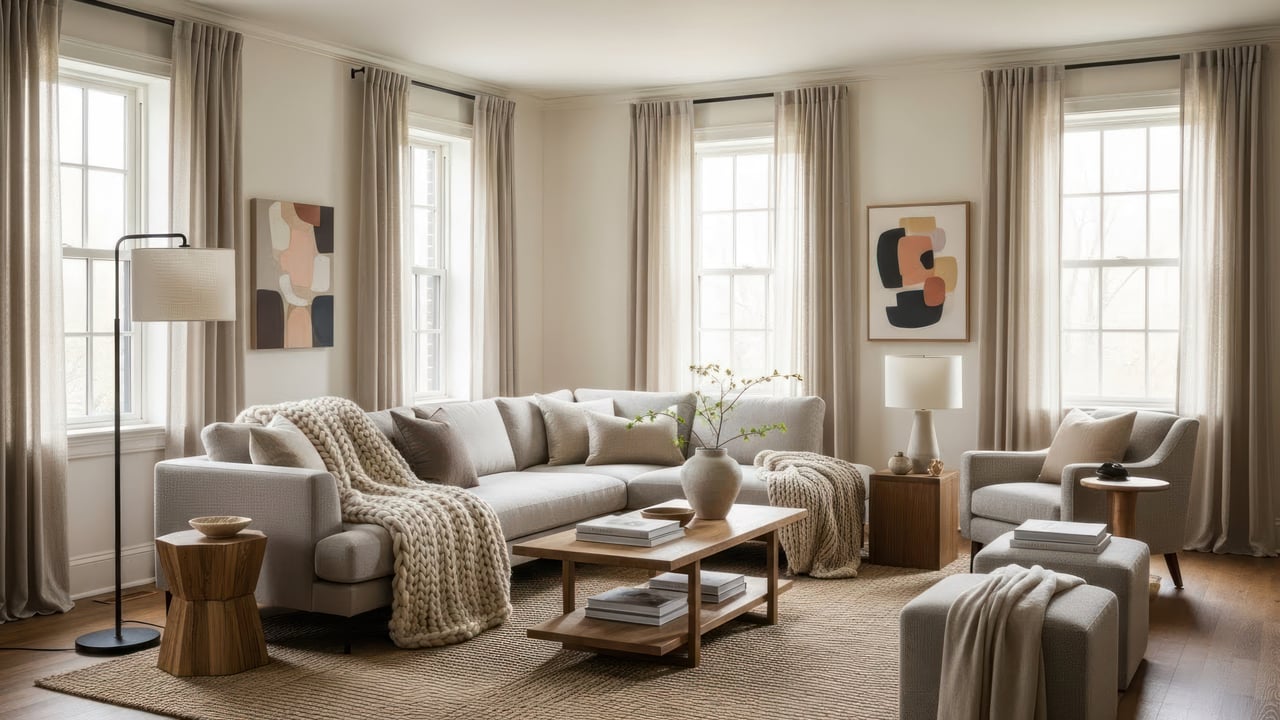
Wondering how to make a Ladue estate feel current without stripping away the character that makes it special? In a market where luxury buyers often form an opinion online before they ever book a showing, presentation has to do more than look pretty. It needs to highlight architecture, land, flow, and care in a way that feels polished and believable. Here’s how to stage a Ladue property for today’s luxury buyer with strategy, restraint, and a clear sense of place.
Why staging matters in Ladue
Ladue is a small, high-value market where buyers expect a refined presentation from the start. Census QuickFacts reports a population of 8,934, a 95.7% owner-occupied housing rate, and a median owner-occupied home value of $1,056,300. Realtor.com’s April 2026 market snapshot showed 30 homes for sale, a median listing price of $1.209 million, and a 35-day median time on market.
That kind of market does not call for generic staging. It calls for a presentation that helps your home stand out quickly while still feeling authentic. In Ladue, buyers are often responding to the total experience of the property, including the approach, the grounds, the architecture, and how the home lives day to day.
Lead with architecture and land
Ladue’s built environment gives you an important clue about how to stage well. The City of Ladue’s Architectural Review Board guidelines describe a mature community with neighborhoods that vary in age and character, along with mature trees, landscaping, generous setbacks, and room for features like pools and detached garages.
That means your staging plan should not compete with the house. Instead, it should support the home’s proportions, materials, and setting. A Ladue estate usually shows best when it feels architecture-first and landscape-aware, not overly themed or trend-driven.
Show the arrival sequence
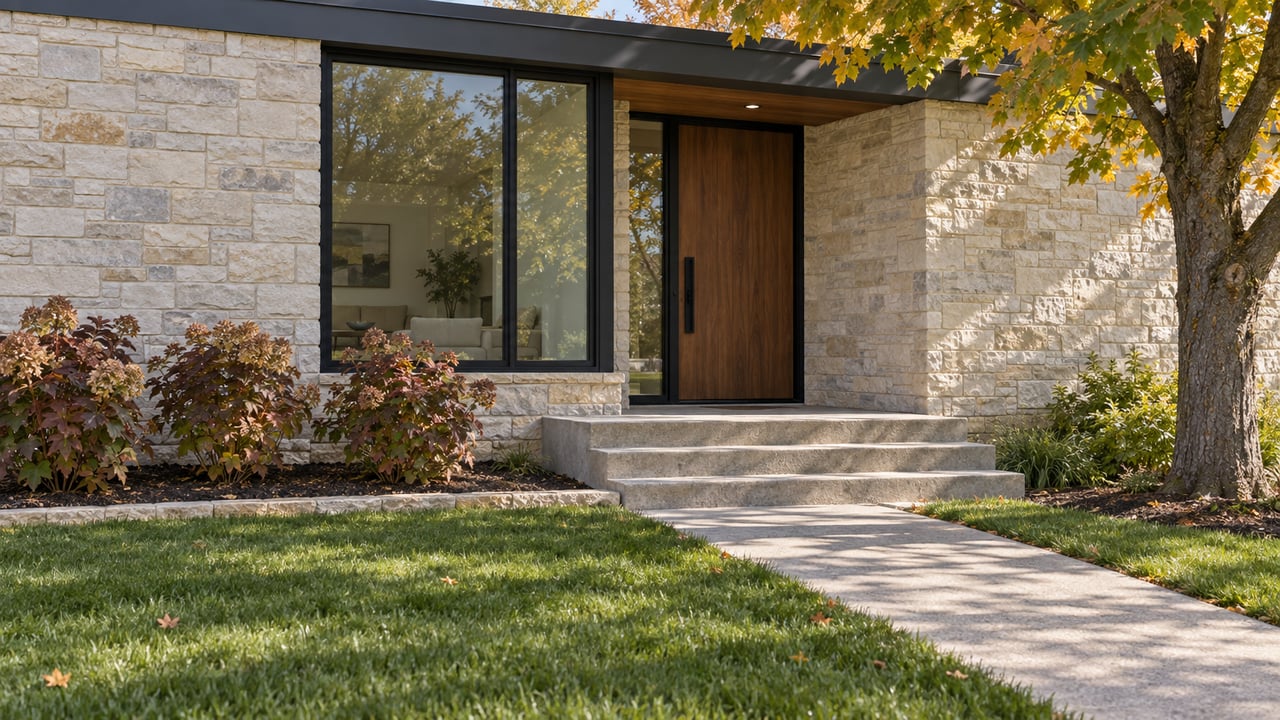
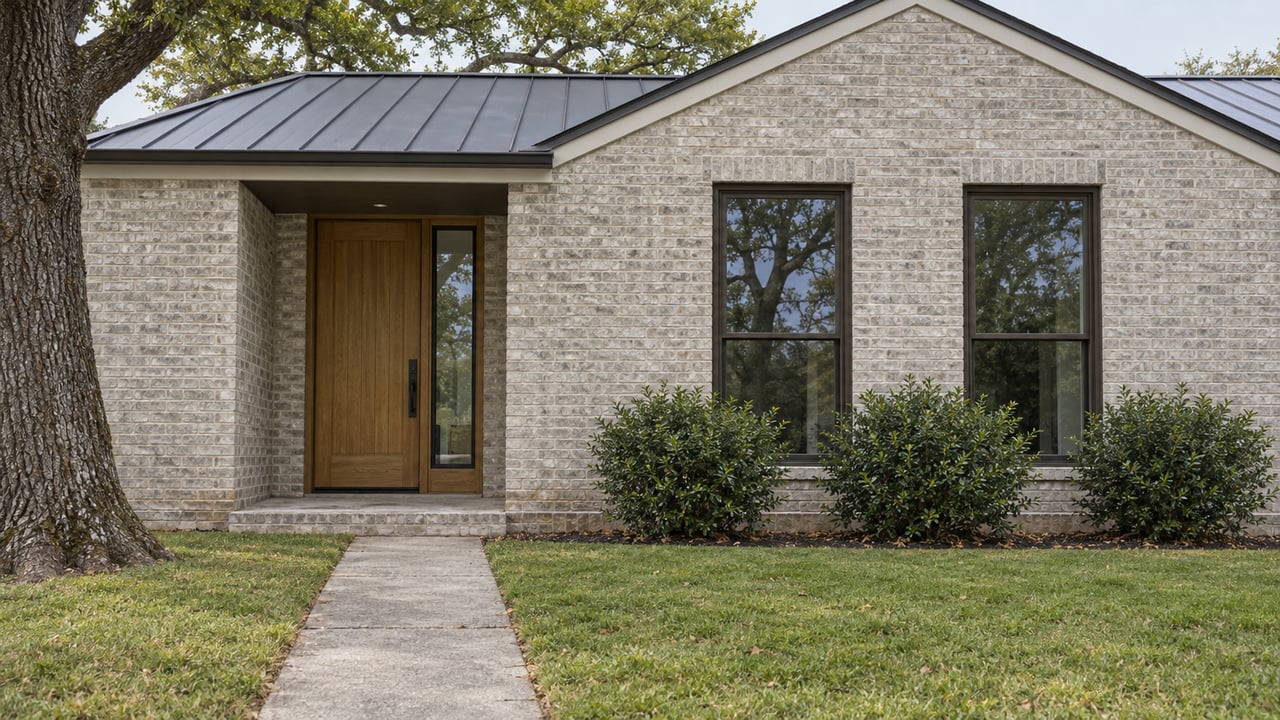
For many Ladue properties, the first impression starts well before the front door. Long driveways, larger lots, and private approaches can create a sense of arrival that matters to a luxury buyer.
Think of the exterior as a sequence:
- Street view or lane approach
- Driveway presentation
- Front facade
- Entry moment
- Terraces, lawns, and grounds
Each part should feel composed and cared for. Cars should be moved from the driveway for photography, and the entry should feel intentional, clean, and scaled to the home.
Keep curb appeal restrained
Luxury curb appeal is rarely about adding more. It is about editing distractions and reinforcing quality.
Low-lift updates can include:
- Trimming landscaping
- Refreshing the front door if needed
- Adding simple potted plants at the entry
- Cleaning walkways and hardscapes
- Making sure exterior lighting and hardware look consistent
In Ladue, mature landscaping and generous setbacks already do a lot of the visual work. Your goal is to signal maintenance, calm, and proportion.
Stage for how buyers actually shop
Today’s luxury buyer often meets your home through photos first. According to the National Association of Realtors 2025 Profile of Home Staging, 83% of buyers’ agents said staging made it easier for buyers to visualize a property as a future home, and 60% said staging affected most buyers’ view of a home at least some of the time.
That same report also found that photos were rated as important by 73% of buyers’ agents, followed by physical staging at 57%, videos at 48%, and virtual tours at 43%. In other words, staging is no longer just about open houses or private tours. It is part of the entire marketing story.
Match online expectations
Buyers are bringing high visual expectations with them. NAR found that 48% of respondents said buyers expect homes to look staged like TV shows, and 58% said buyers were disappointed when homes did not match that expectation.
That does not mean your home should look artificial. It means your listing should feel cohesive, finished, and move-in ready both online and in person. The best staging creates confidence because what buyers see in the photos feels consistent with what they experience at the property.
Start with the rooms buyers notice first
If you are deciding where to invest time and budget, prioritize the spaces that carry the most emotional and visual weight. NAR’s 2025 staging report found the living room ranked as the most important room to stage at 37%, followed by the primary bedroom at 34% and the kitchen at 23%.
For a Ladue estate, the dining room, foyer, staircase, and central hallways can also play a strong supporting role. These are often the spaces that communicate scale, craftsmanship, and flow.
Living room
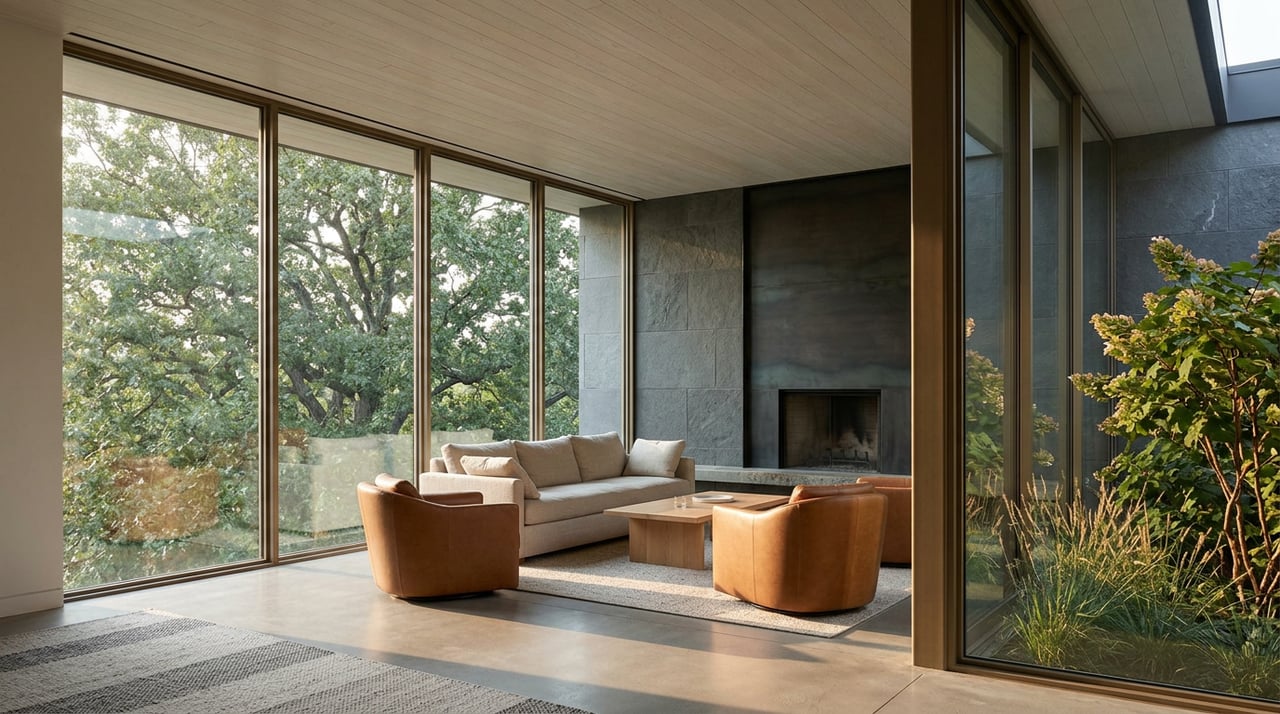
Your living room should establish the tone of the home. Arrange furniture to highlight conversation, window lines, fireplaces, and circulation rather than filling every corner.
Oversized furniture can make even a large room feel crowded. A more edited layout helps buyers understand the room’s dimensions and imagine how they would use it.
Primary suite
The primary suite should feel calm, private, and finished. Fresh bedding, uncluttered surfaces, balanced lighting, and a simplified furniture plan can go a long way.
If the bedroom is large, use furniture placement to define the room without breaking up its scale. The goal is comfort with clarity, not visual noise.
Kitchen
In luxury homes, kitchens need to feel clean, open, and ready for daily life as well as entertaining. Clear counters, remove personal items, and keep styling minimal.
A few intentional elements can help, such as a simple bowl, a tray, or fresh greenery. Too many accessories make the room feel smaller and less refined.
Edit first, do not overdo it
One of the most useful staging principles is also the simplest: staging is not remodeling. NAR’s consumer guidance describes staging as decluttering and styling a home so buyers can see it in its best light.
That distinction matters in Ladue. Estate properties often already have the architectural details buyers want. Your job is to uncover them, not bury them under furniture, color, or décor.
Remove what blocks the story
A strong edit usually includes:
- Removing personal items
- Keeping closets about half full
- Clearing entryways and high-traffic areas
- Reducing oversized or excess furniture
- Using neutral paint colors where needed
This kind of editing helps buyers focus on room size, light, materials, and flow. It also photographs better, which is critical in an image-led market.
Use art and mirrors carefully
Zillow’s staging guidance notes that art can add personality without overwhelming a room, and mirrors can help create the impression of more space and light. In a Ladue estate, that often means fewer, better pieces rather than many small accents.
A gallery-first approach works well in higher-end homes because it supports the architecture instead of competing with it. Think calm compositions, scale-appropriate pieces, and styling that feels collected rather than crowded.
Make light part of the strategy
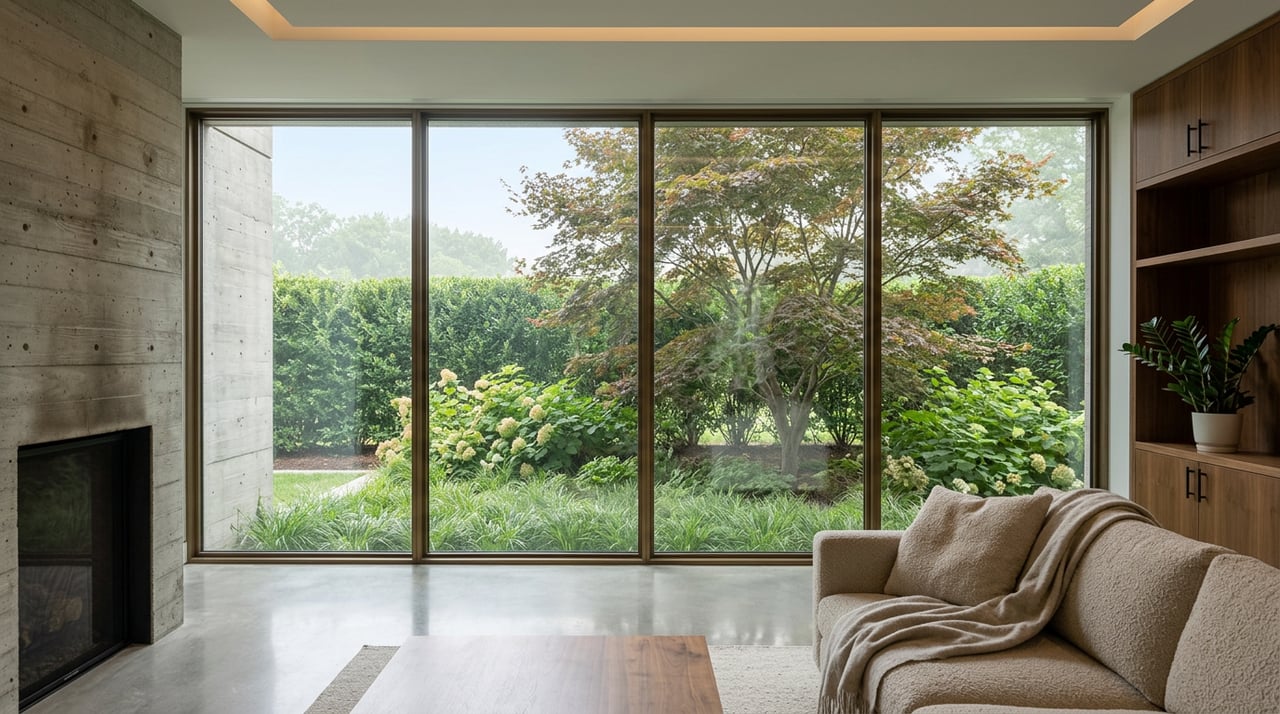
Light shapes how buyers feel in a home within seconds. Natural light should be maximized by opening blinds and keeping windows clean, while interior lighting should feel consistent from room to room.
For photography and showings, avoid dim corners, mixed bulb temperatures, or spaces that feel heavy in the middle of the day. In homes with large windows or views of mature trees, light is part of the property’s identity and should be treated that way.
Treat media as part of staging
For luxury listings, media quality is not separate from staging. It is part of the same plan. Zillow recommends professional photography that uses HDR and avoids panoramic or fish-eye lenses that distort rooms.
For higher-end properties, a full media package can help buyers understand the home before they visit. That may include:
- Professional still photography
- Video
- Drone imagery
- Twilight photography
- Virtual tours
- Interactive floor plans
This is especially important in a market like Ladue, where lot size, approach, and relationship to the landscape can be part of the value.
Be transparent with virtual staging
If virtual staging or furniture removal is used, NAR advises disclosing any photo enhancement that materially alters the property. Transparency matters.
Luxury buyers want clarity. The goal is to help them visualize the home accurately, not create confusion when they arrive in person.
Plan a realistic staging budget
Many sellers assume staging has to be all or nothing, but the data suggests a more practical range. NAR found the median staging-service spend was $1,500, and some agents reported staging increased the dollar value offered by 1% to 5%.
That does not mean every home needs the same level of spend. In Ladue, the right strategy may be a focused edit, selective room staging, and a stronger media package rather than furnishing every space from scratch.
Prepare for showing day
When buyers walk through a luxury home, they are not just evaluating finishes. They are reading the feeling of the space. The home should feel spotless, odor-free, quiet, and easy to move through.
Before showings, focus on the basics that create an immediate sense of care:
- Fresh bedding
- Clean, fluffy towels
- Clear counters and tables
- Minimal personal items
- Clean floors and glass
- A manicured and welcoming entry
The final impression should be calm and curated. Buyers should be able to imagine stepping into the home and living there right away.
The Ladue staging mindset
The most effective staging for a Ladue estate is rarely flashy. It is measured, architectural, and deeply aware of what makes the property valuable in the first place.
In a community known for mature landscapes, varied architectural character, and high-value homes, the smartest approach is to let the house lead. Edit with intention, prioritize the rooms that matter most, and make sure the visual experience is as strong online as it is in person.
If you are preparing to sell in Ladue and want a thoughtful, design-minded plan tailored to your home, Nika Leoni offers a high-touch approach that blends visual storytelling, strategic presentation, and luxury market insight.